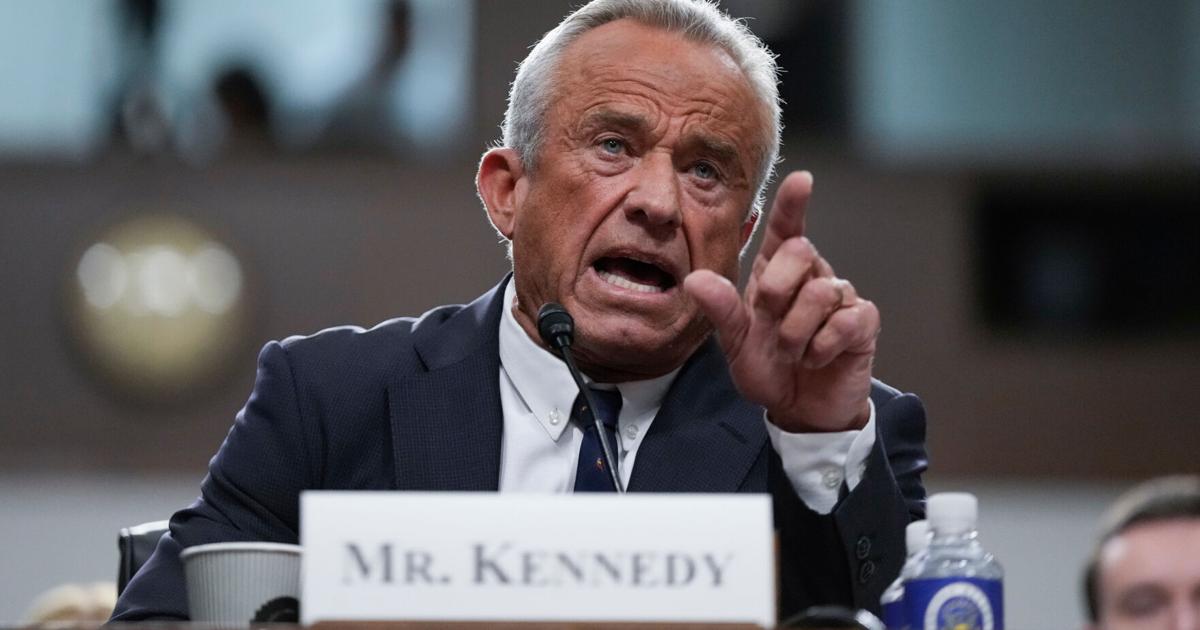
The Foundation of Trust is Shaking
The effectiveness of public health heavily relies on public trust in its guiding institutions. When people believe that information and recommendations from agencies like the Centers for Disease Control and Prevention (CDC) and the Food and Drug Administration (FDA) are based on science, transparency, and public interest, they are more likely to follow guidance on vaccination, disease prevention, and healthy lifestyles.
The Trend and Challenge of Declining Trust
In recent years, numerous surveys and data indicate a declining trend in public confidence in major U.S. health agencies. This erosion of trust is not the result of a single event but stems from the long-term interplay of multiple factors:
- Contradictory and Rapidly Evolving Information: When responding to emerging pandemics, scientific understanding evolves with ongoing research, which can lead to changes in public health advice. If communication is not clear and transparent, the public can easily become confused and distrustful.
- Impact of Politicization: Public health decisions sometimes become entangled in political debates, leading to scientific advice being questioned as politically motivated, damaging the perceived professionalism and neutrality of the agencies.
- Historical Legacies and Current Controversies: Past decision-making errors or controversial events can affect an institution's long-term reputation. Meanwhile, the rapid spread of misinformation and disinformation on social media significantly challenges the authority of official information.
- Transparency and Communication Gaps: The public expects to understand the data and trade-offs behind decisions. If agencies are perceived as insufficiently open in their processes or fail to effectively address public concerns, trust becomes difficult to build.
Why Rebuilding Trust is Crucial
Public trust is the "invisible infrastructure" of a public health system. High trust leads to higher vaccination rates, more effective disease surveillance, and greater community compliance during health crises. Conversely, a lack of trust can directly diminish the effectiveness of health interventions and even endanger overall community health.
The Path Forward: Transparency, Consistency, and Community Engagement
Rebuilding trust is a challenging but essential task. It requires public health agencies to:
- Adhere to and clearly communicate science-based decision-making processes.
- Increase transparency in operations and decisions, proactively acknowledging uncertainties.
- Build more effective partnerships with community leaders, healthcare practitioners, and the media for precise communication.
- Continuously listen to and address public concerns and questions.
Ultimately, robust public health depends on a strong bond of trust between scientists, policymakers, and the public. Preserving this trust is key to safeguarding everyone's healthy future.