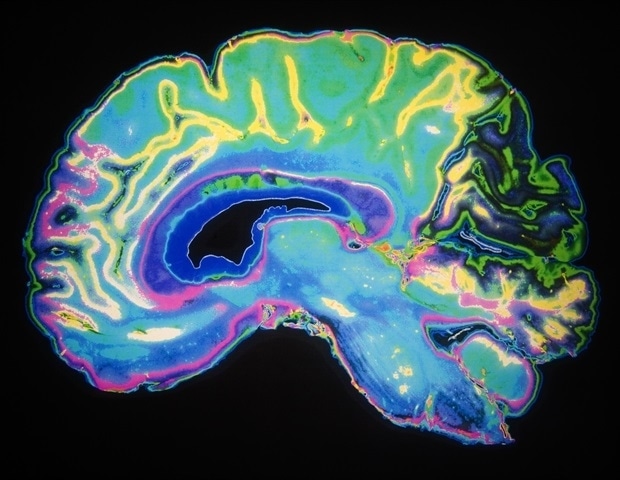
Saliva Testing: A New Dawn for Neurological Disease Diagnosis
Traditional diagnosis of neurological disorders, such as Alzheimer's and Parkinson's disease, often relies on complex imaging (e.g., MRI, PET) or invasive cerebrospinal fluid tests. These methods are not only costly and cumbersome but also cause inconvenience and stress for patients. Today, scientific research is turning its attention to a simpler, more patient-friendly biological sample: saliva.
Why Saliva?
Saliva, a bodily fluid we produce daily, is rich in biological information. Research shows that saliva contains various biomarkers from the blood and nervous system, including proteins, metabolites, RNA, and exosomes. Changes in these substances may reflect pathological states in the brain.
- Non-invasive: The collection process is simple, painless, and easily accepted by patients of all ages, especially children and the elderly with mobility issues.
- Convenient and Fast: Sample collection does not require a professional medical setting, facilitating large-scale community screening and home monitoring.
- Cost-effective: Compared to expensive imaging or CSF tests, saliva testing has the potential to significantly reduce diagnostic costs.
Current Research Progress and Future Outlook
Researchers are actively identifying and validating biomarkers in saliva that are indicative of specific neurological disorders. For example, certain specific proteins or microRNA profiles have been found to be abnormal in the saliva of patients with Alzheimer's or Parkinson's disease. Using highly sensitive detection technologies (such as mass spectrometry, next-generation sequencing), scientists are working to develop accurate and reliable saliva test kits.
In the future, saliva testing is expected to become an important part of neurological disease management:
- Early Screening: Identifying high-risk individuals before symptoms appear, enabling early intervention.
- Auxiliary Diagnosis: Combining with existing methods to improve diagnostic accuracy and efficiency.
- Treatment Monitoring: Dynamically assessing treatment efficacy and disease progression through regular testing of salivary markers.
Although the prospects are promising, for saliva testing technology to be widely used in clinical practice, challenges in standardization, sensitivity, and specificity still need to be overcome, and validation through large-scale clinical trials is required. Nonetheless, it undoubtedly opens a new door full of hope for the diagnosis of neurological disorders.