AI-Powered Breast Cancer Screening: Detecting Hidden Risks Years in Advance
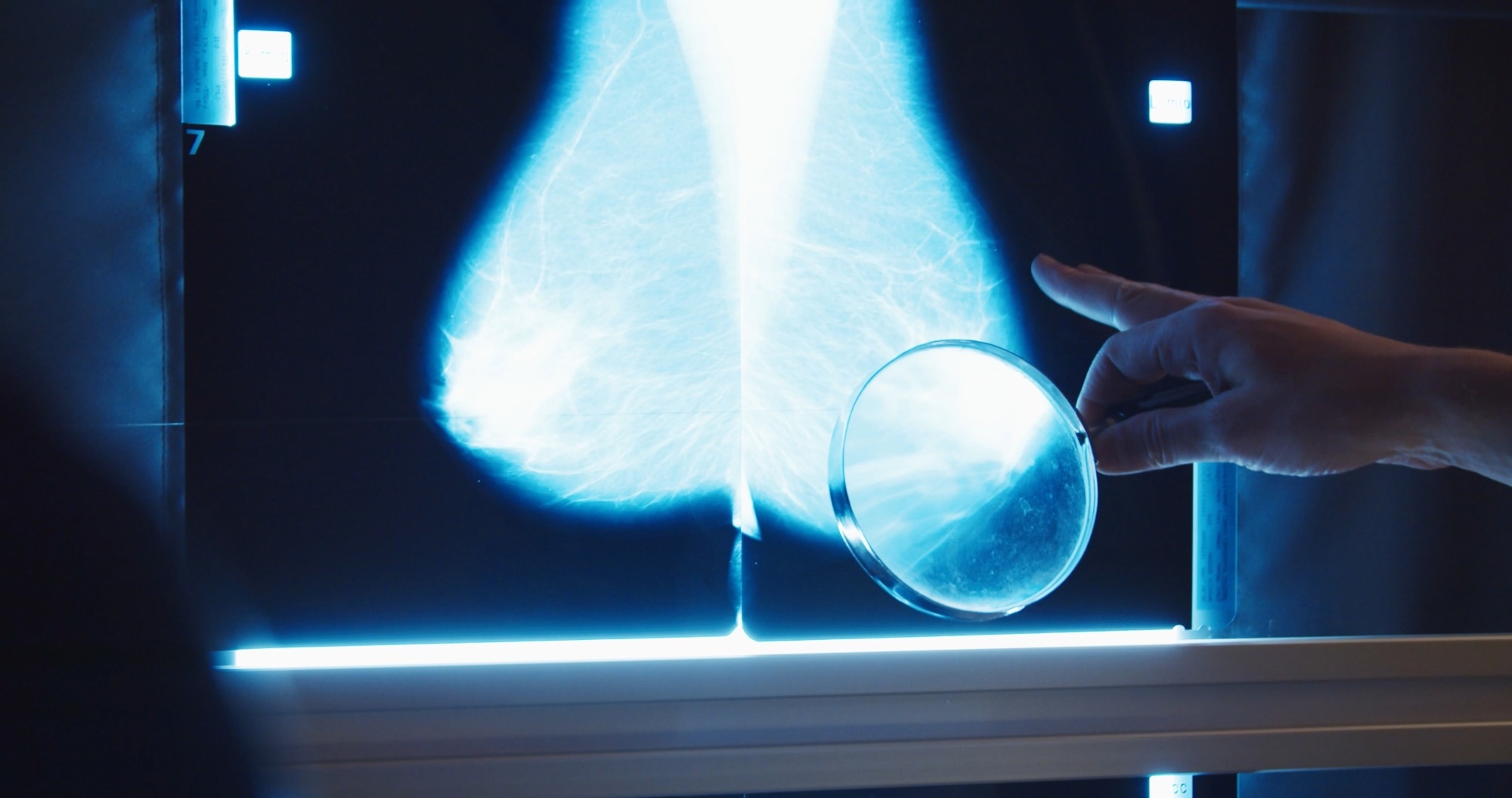
Breast cancer is one of the most common cancers among women worldwide, and early detection is crucial for improving cure and survival rates. Traditional mammography is the primary screening tool, but some early-stage or slow-growing tumors can be difficult to spot during routine readings.
The Breakthrough Discovery of the AI Model
According to the latest research, scientists have developed an advanced Artificial Intelligence (AI) model. This model utilizes deep learning techniques, trained on vast datasets of historical mammogram images and their subsequent diagnostic outcomes.
Remarkably, the AI can detect extremely subtle patterns of tissue density, texture, or structural changes in images that were originally interpreted by radiologists as "normal" or "benign." These patterns are imperceptible to the human eye but are highly correlated with the risk of developing breast cancer in the future, often several years later.
What Does This Technology Mean?
- Ultra-Early Warning: AI can identify high-risk individuals years before clinical symptoms appear or before a cancer is diagnosed by conventional methods.
- Assisting Physician Decision-Making: AI does not replace radiologists but serves as a powerful辅助 tool, helping doctors focus on high-risk cases and reduce missed diagnoses.
- Personalized Screening: In the future, AI-based risk assessment could be used to create personalized screening plans. For example, individuals flagged as high-risk by AI might be advised to undergo more frequent checks or more advanced imaging techniques.
- Improving Survival Rates: The earlier cancer is detected and treated, the higher the chance of a successful cure. AI's early warning provides patients with valuable time for treatment.
Looking Ahead
While this technology holds great promise, it still requires validation in larger, more diverse populations and integration into clinical workflows. It represents another significant advancement for AI in healthcare, particularly in preventive medicine and early diagnosis. In the future, AI is poised to become a powerful ally in our fight against diseases like breast cancer.