Power Outages: An Invisible Public Health Crisis
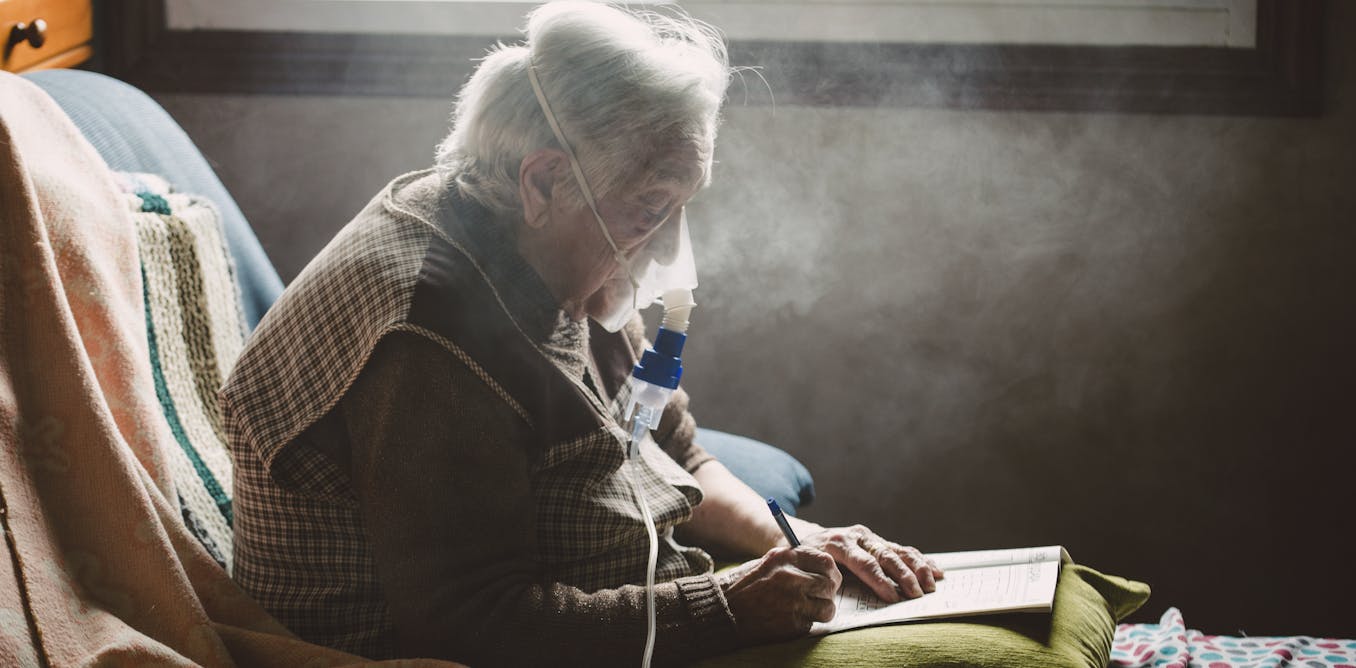
During extreme weather, grid failures, or planned blackouts, public attention often focuses on food spoilage, lighting, and communication. However, for a specific group, a power outage means an immediate halt to their life-support systems. They are patients who depend on electricity-powered medical devices to survive at home.
Which Medical Devices Rely on Electricity?
Many individuals with chronic conditions and older adults require continuous use of home medical equipment that depends on stable power. Common devices include:
- Ventilators and BiPAP Machines: Assist breathing for patients with severe respiratory disorders like COPD or ALS.
- Oxygen Concentrators: Deliver concentrated oxygen to patients with low blood oxygen levels, such as those with advanced lung disease.
- Home Dialysis Machines: Perform blood filtration for kidney failure patients.
- Infusion Pumps and Feeding Pumps: Precisely deliver medication or nutrition.
- Power Wheelchairs and Hospital Beds: Enable basic mobility and care for those with limited movement.
When the power goes out, these devices stop functioning, placing patients at risk within hours or even minutes.
Who is Most Vulnerable?
The highest-risk individuals typically share one or more of these characteristics:
- Suffering from severe chronic respiratory or cardiac conditions.
- Living alone with a weak social support network.
- Residing in older neighborhoods or areas with unstable power infrastructure.
- Facing economic hardship, unable to afford backup batteries or generators.
- Elderly, potentially with mobility or communication challenges.
Identifying these "invisible" at-risk individuals is a primary challenge for city emergency management.
How Can Cities Respond?
Enhancing protection for electricity-dependent patients requires systematic planning:
- Establish a High-Risk Registry: With privacy safeguards, encourage voluntary registration through public health departments, utilities, or community organizations to prioritize notification and assistance during outage warnings.
- Plan Emergency Power and Shelters: Designate public facilities with backup generators (e.g., community centers, libraries) as temporary shelters and coordinate mobile power unit delivery for non-transportable patients.
- Conduct Public Education and Foster Community Mutual Aid: Raise awareness about outage preparedness and encourage neighbors to check on vulnerable individuals.
- Strengthen Infrastructure Resilience: Invest in grid upgrades and reinforce or provide redundant power lines for critical healthcare facilities.
Personal and Family Preparedness
If you or a family member uses medical equipment, develop a plan:
- Discuss a power outage contingency plan with your doctor. Know your device's battery life and manual alternatives.
- Prepare sufficient backup batteries, a portable generator, or an Uninterruptible Power Supply (UPS).
- Keep critical medical information, emergency contacts, and your backup plan in an accessible location.
- Inform neighbors and your community about your special needs.
- Monitor weather and outage warnings, and relocate to a safe place proactively.
Protecting the most vulnerable is a key measure of a society's emergency preparedness and compassion. Through collaboration between government, communities, and individuals, we can build a more resilient safety net to protect everyone during a crisis.