High Blood Pressure: The Silent Threat
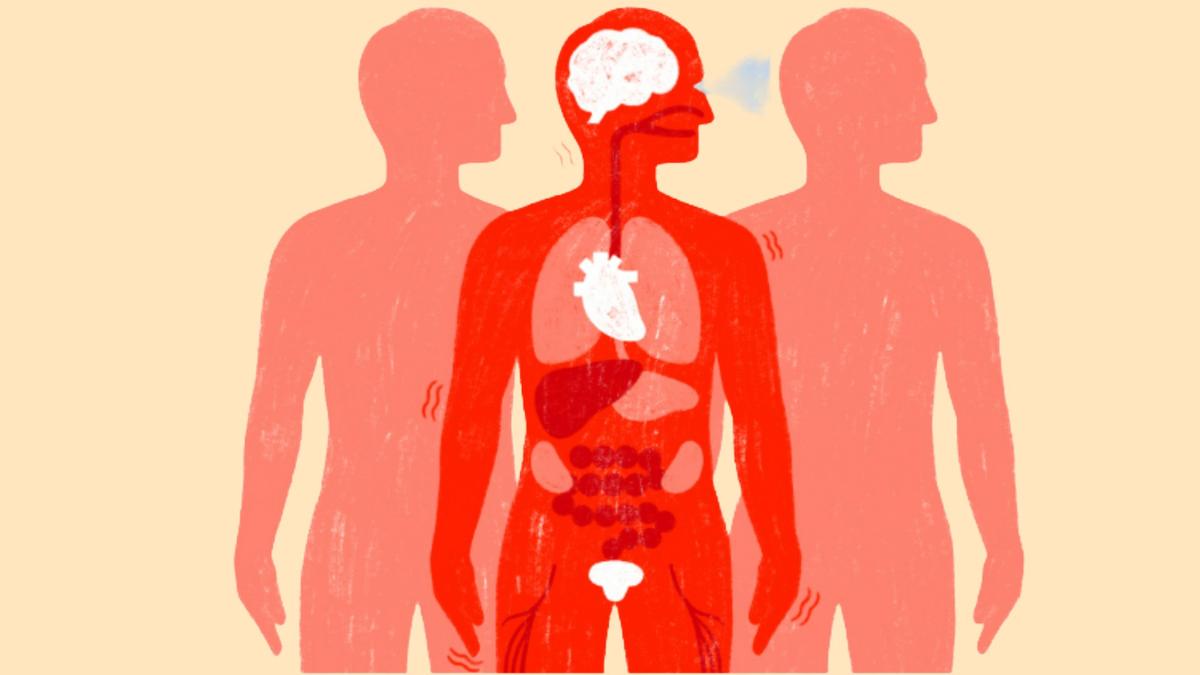
High blood pressure, or hypertension, is a common yet dangerous chronic condition. It's often called the 'silent killer' because it can persist for a long time without noticeable symptoms while continuously damaging multiple vital organs.
How High Blood Pressure Harms Your Body
Sustained high blood pressure puts strain on the entire vascular system, leading to a cascade of health issues. Here are its primary effects:
- Damages Blood Vessels: High-pressure blood flow can injure the inner lining of arteries, making them rough and stiff (atherosclerosis). Plaque may form, leading to narrowed or blocked arteries.
- Strains the Heart: The heart must work harder to pump blood, which can cause the heart muscle to thicken (left ventricular hypertrophy). This ultimately increases the risk of heart failure, coronary artery disease, and heart attack.
- Threatens Brain Health: Weakened blood vessels may rupture or form clots, leading to a stroke. Hypertension is also a major risk factor for vascular dementia.
- Harms the Kidneys: The kidneys are filled with tiny blood vessels. High blood pressure can damage these vessels, impairing the kidneys' filtering ability and potentially leading to chronic kidney disease or even kidney failure.
- Affects Vision: High blood pressure can damage the tiny blood vessels in the back of the eye (retinopathy), causing blurred vision or even blindness.
Management and Prevention
Despite its severe consequences, high blood pressure is manageable and controllable. Key measures include: regular blood pressure monitoring, maintaining a healthy diet (such as the DASH diet), regular exercise, maintaining a healthy weight, limiting salt and alcohol intake, quitting smoking, and taking prescribed medication as directed. Early detection and intervention are crucial to preventing serious complications.