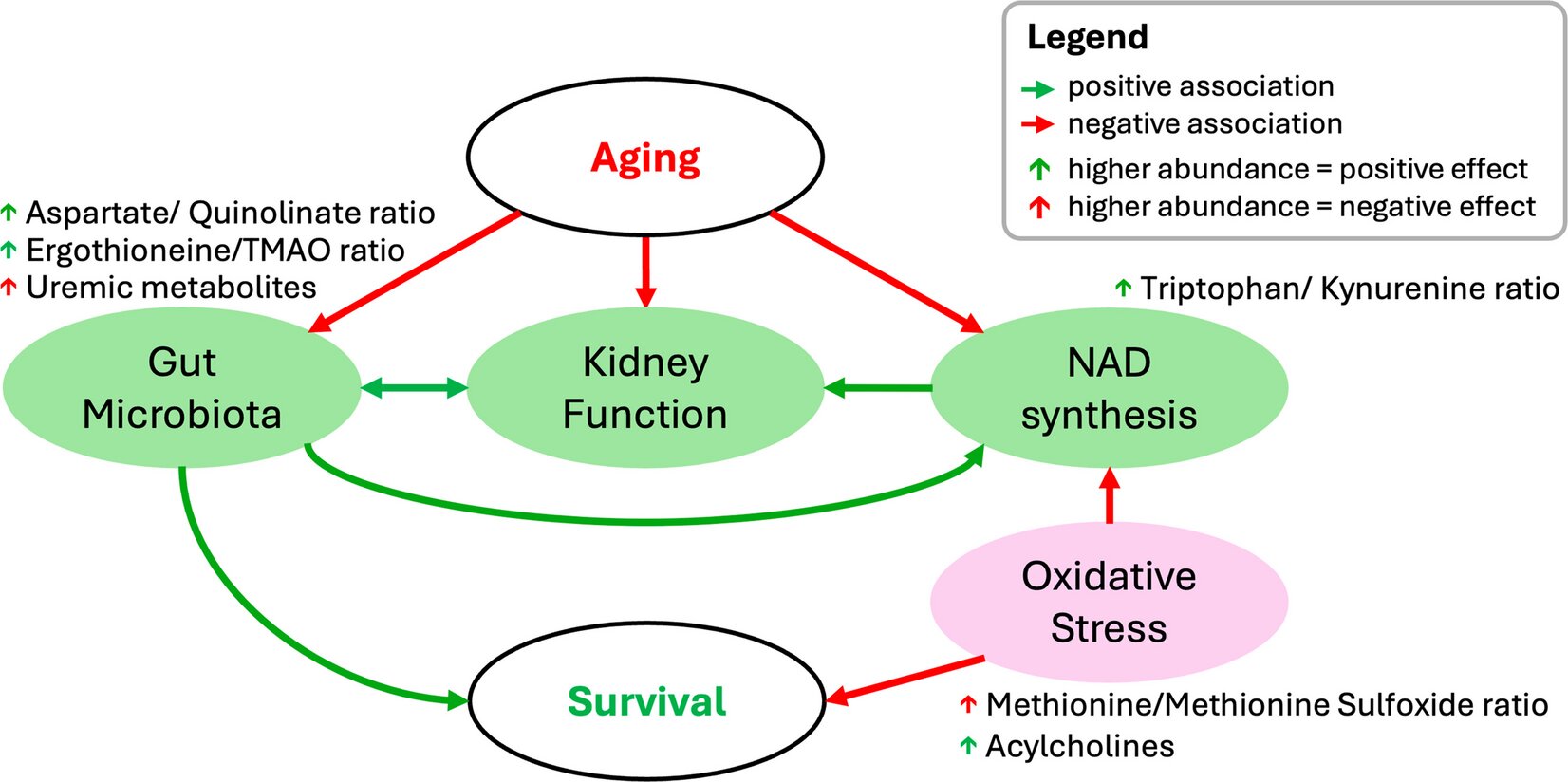
The Metabolic Code Behind Extreme Longevity
Scientists have long sought to understand the limits of human lifespan. A recent study published in a leading journal focuses on two key classes of metabolites—bile acids and steroids—attempting to identify unique "longevity signatures" in centenarians and supercentenarians.
Bile Acids: Signaling Molecules Beyond Digestion
Traditionally known for their role in fat digestion and absorption, bile acids are now recognized as important signaling molecules involved in regulating various physiological processes, including:
- Energy Metabolism: Influencing glucose homeostasis and lipid metabolism.
- Inflammatory Response: Possessing anti-inflammatory properties.
- Gut Health: Modulating the balance of gut microbiota.
Research suggests that long-lived individuals may possess a more optimized bile acid profile, which helps maintain a stable metabolic internal environment and reduces the risk of age-related metabolic disorders.
Steroid Hormones: Regulators of Aging
Steroid hormones (such as sex hormones, cortisol) play a central role in human development, stress response, and the aging process. Their levels change significantly with age.
Studies have found that the steroid metabolic patterns in extreme longevity may be distinct:
- A more gradual decline in hormone levels.
- A higher proportion of specific protective metabolites.
- Better ability to regulate hormonal homeostasis.
This unique pattern may help delay aging phenotypes associated with hormonal imbalance, such as muscle loss, osteoporosis, and cognitive decline.
From Biomarkers to Mechanisms: Future Research Directions
Identifying these metabolic features is just the first step. The core challenges and future directions of current research include:
- Establishing Causality: Are these features the cause of longevity or a consequence of it?
- Exploring Mechanisms: How do these metabolites influence the aging process through specific molecular pathways (e.g., FXR, TGR5 receptors)?
- Intervention Potential: Can we modulate these metabolic pathways through diet, probiotics, or pharmaceuticals to promote healthy aging?
Although the road ahead is long, this research opens a window, allowing us to glimpse the macro mystery of longevity from the micro world of metabolism. Understanding these natural "longevity signatures" may provide crucial clues for developing strategies to promote healthspan.