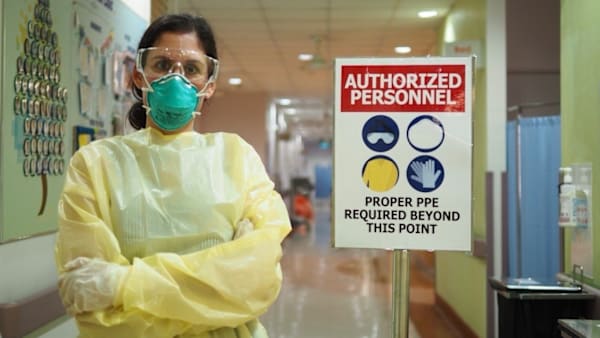
The Dual Challenge: Treating Disease and Combating Prejudice
On the medical frontlines in Singapore, infectious disease specialists face a dual mission. On one hand, they must apply their expertise to diagnose and treat life-threatening infections like HIV. On the other hand, they must also combat an invisible yet equally destructive force – social stigma.
Stigma: The Invisible Barrier to Care
For many patients with infectious diseases, particularly those living with HIV, societal prejudice and discrimination can be more distressing than the illness itself. This stigma can lead to feelings of shame and fear, causing patients to delay or even refuse seeking necessary medical care. This not only jeopardizes the individual's health but also increases the risk of disease transmission within the community, posing a serious threat to public health.
The Doctor's Role: Healer and Advocate
Specialist infectious disease doctors thus play a dual role. In the consultation room, they are healers, providing state-of-the-art medical treatment. On a broader societal level, they must act as advocates, working to dispel misconceptions through public education, sharing scientific knowledge, and telling patient stories. Their goal is to foster a more inclusive and supportive environment where every patient can walk into a clinic without fear or hesitation.
Collective Effort to Eradicate Stigma
Fighting disease-related stigma is a battle that requires the participation of the entire society. The efforts of healthcare professionals are crucial, but the media, educational institutions, community organizations, and each one of us can contribute by disseminating accurate information, showing empathy, and rejecting discriminatory language. Only when societal prejudices are dismantled and barriers to healthcare access are removed can we truly control infectious diseases effectively and protect community health.