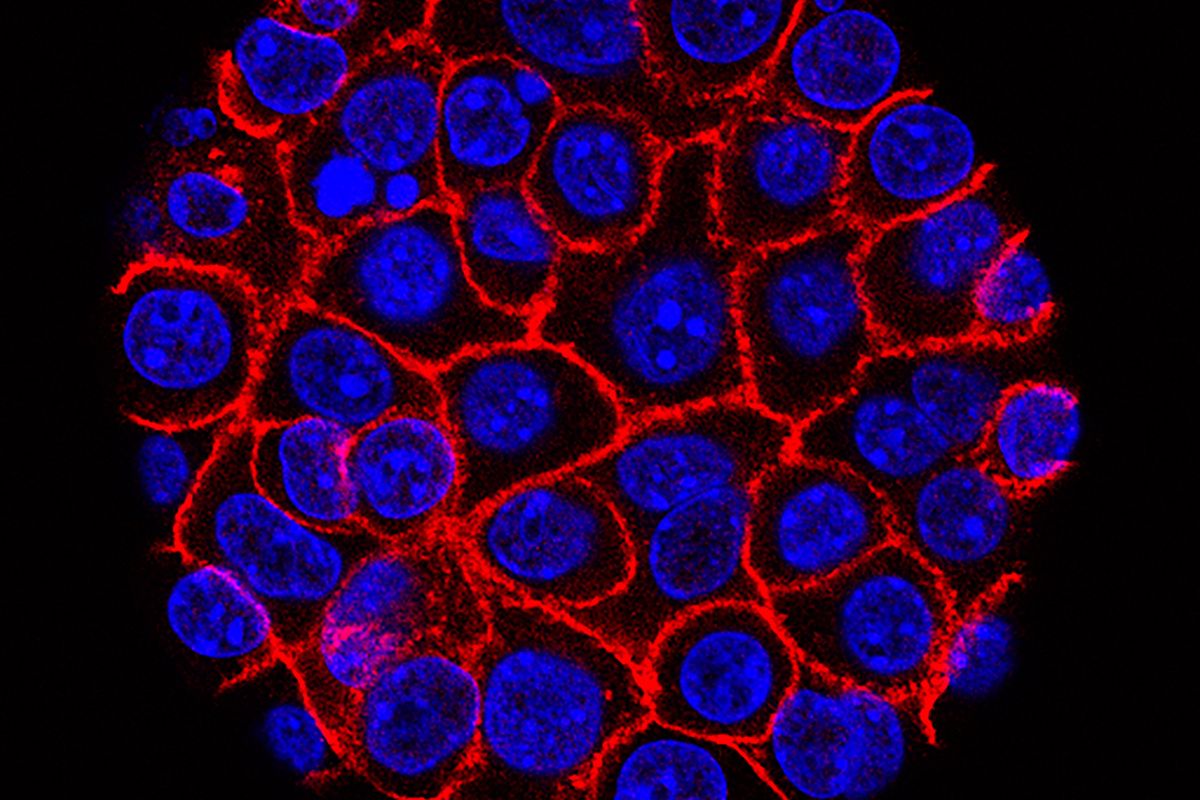
Breakthrough Pill for Pancreatic Cancer
WASHINGTON (AP) — A novel pill helped people with advanced pancreatic cancer live longer, researchers reported Sunday, raising hopes of long-needed better treatments for one of the deadliest types of cancer.
“While not curing the cancer, it is a very large step forward,” said Dr. Zev Wainberg, of the University of California, Los Angeles, who helped lead the study.
The drug is called daraxonrasib and it blocks a mutated protein that fuels tumor growth in more than 90% of pancreatic cancer cases — a target that had eluded treatment for decades.
Key Study Findings
The daily pills nearly doubled survival time, with fewer severe side effects, in a study that randomly assigned the experimental drug or more chemotherapy to 500 patients whose metastatic cancer had quit responding to prior treatment. The findings were published in the New England Journal of Medicine and presented Sunday at the American Society for Clinical Oncology meeting in Chicago.
Those taking daraxonrasib lived for a median of 13.2 months compared with 6.7 months for chemotherapy recipients. While that may seem like a small improvement, Wainberg said it marked the first drug to show a substantial advantage over chemotherapy.
- Targeted therapy: Daraxonrasib inhibits mutated KRAS G12D protein found in over 90% of pancreatic cancers.
- Better safety: Lower rate of severe side effects compared to traditional chemotherapy, improving patient quality of life.
- Future plans: Researchers aim to test the drug in earlier-stage patients and explore combination treatments.
Expert Commentary & Outlook
“Having treated pancreatic cancer for 16 years, I actually started crying” when first seeing the results, Wainberg said. This breakthrough brings hope to the approximately 500,000 new patients diagnosed worldwide each year. Pancreatic cancer has a 5-year survival rate often below 10%, making it one of the most challenging cancers to treat.