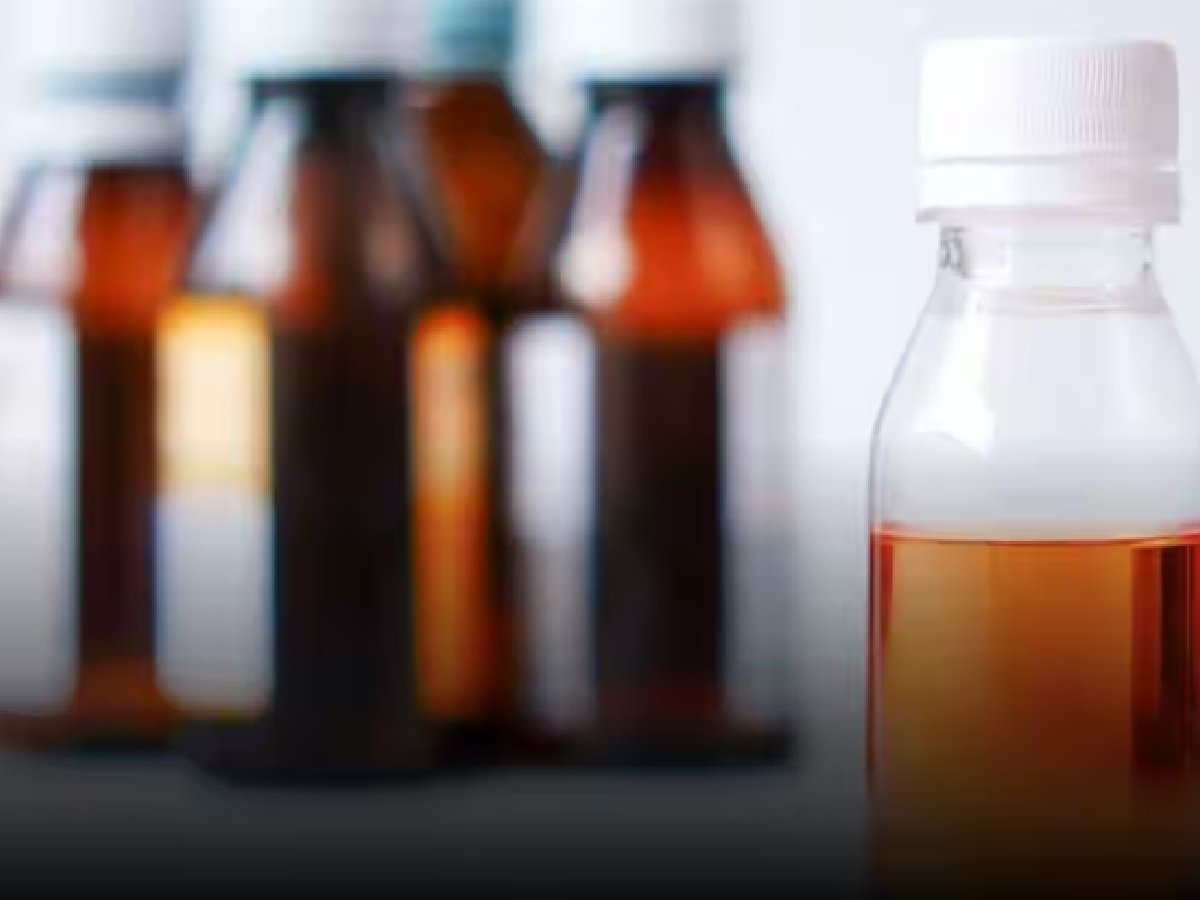
Policy Background: End of Special Exemption for Syrups
On June 9, 2026, India's Ministry of Health and Family Welfare published a new notification in the official gazette, marking the Fifth Amendment to the Drugs Rules, 1945. The core change is the removal of 'syrup' from Schedule K, a special exemption list. Consequently, all cough syrups and oral liquid drugs manufactured in India will no longer enjoy relaxed licensing, labeling, and manufacturing oversight. They will now be subject to the same rigorous quality testing and regulatory compliance as tablets and injections.
What is Schedule K, and Why Were Syrups Exempted?
Schedule K is a list under the Indian Drugs & Cosmetics Act that exempts certain drugs from specific regulatory requirements:
- Licensing Exemption: Drugs on this list are exempt from strict licensing procedures.
- Labeling & Packaging Exemption: Bottle labeling and packaging requirements are more lenient.
- Ease of Manufacturing: Many small, non-standard firms took advantage of this list to manufacture and sell syrups without thorough testing.
Removing syrups from Schedule K ends this preferential treatment, subjecting all syrup manufacturers to comprehensive regulation.
Why Did the Government Take This Action?
The drastic move was triggered by tragic incidents in 2022-23. Multiple child deaths in Gambia and Uzbekistan were linked to cough syrups manufactured in India by Marion Biotech and Maiden Pharmaceuticals, which were found to contain toxic substances. These events tarnished the global reputation of the Indian pharmaceutical industry. In response, the Indian government, the Ministry of Health, and the Drug Controller General of India (DCGI) issued a red alert and intensified surveillance. This amendment is a direct outcome of those intensified efforts to prevent such disasters from recurring.
Impact on the General Public and Patients
The most significant impact will be felt by ordinary consumers and patients. Substandard and adulterated cough syrups will be completely eliminated from the market. Each bottle of syrup must now pass stringent quality checks to prevent side effects and further loss of life. Additionally, labeling and information on medicine bottles will become more specific, empowering patients and families to use medications more safely.
Impact on Pharmaceutical Companies
The new rules directly affect all companies producing syrups and liquid oral drugs. They will face significantly more regulations in manufacturing, labeling, and packaging. Experts say this will end the menace of adulterated and substandard liquid drugs in the market, providing patients with safer and better medicines. In the long run, it should also help restore global confidence in Indian pharmaceuticals.