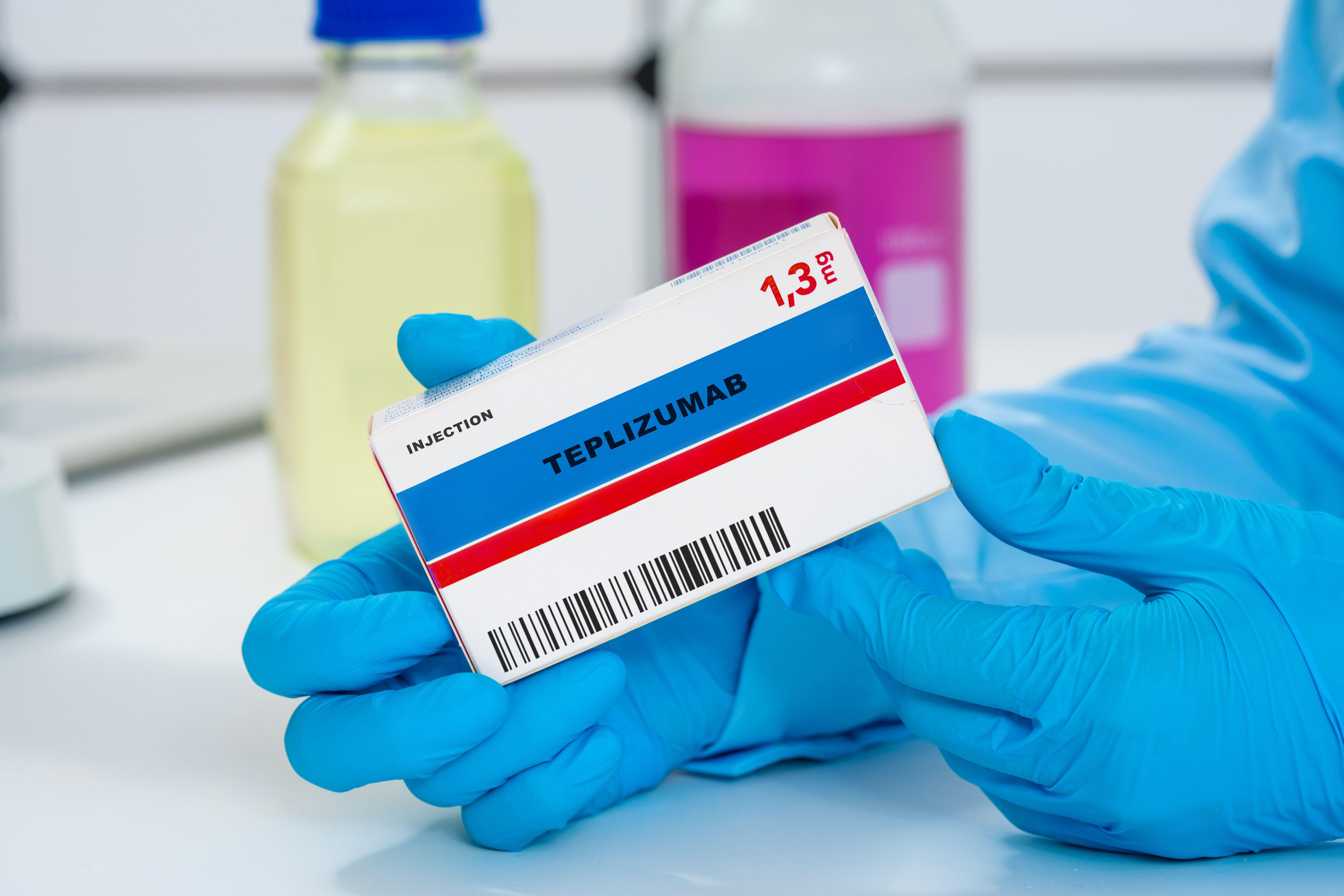
Major Breakthrough: New Drug Delays Type 1 Diabetes Onset
Experts say a type 1 diabetes drug soon to be offered on the NHS is the biggest medical breakthrough against the condition since insulin was discovered a century ago.
The drug, Teplizumab, is given through a daily intravenous drip for two weeks to patients who are in the early stages of the disease but do not yet have symptoms.
How Does It Work?
Teplizumab works by slowing the immune system's attacks on insulin-producing cells in the pancreas. Tests suggest it delays the onset of symptoms by up to 32 months.
This one-off treatment could benefit more than 800 people a year on the NHS. It is the first medicine to hold off the condition—previously, patients had no option but to try to control it by injecting insulin.
Type 1 vs. Type 2 Diabetes
- Type 1 diabetes: A lifelong condition where the body's immune system attacks and destroys the cells that produce the hormone insulin. It affects around 344,000 people in the UK.
- Type 2 diabetes: Far more common, accounting for over 90% of the 4.4 million adults with diabetes. It occurs when the body doesn't produce enough insulin or the cells don't react to it properly.
Unlike type 2 diabetes, which is linked to obesity or unhealthy eating, type 1 diabetes is genetic and affects about 400,000 Britons. There are no lifestyle changes you can make to lower your risk of type 1 diabetes.
Expert Opinion
Dr. Elizabeth Robertson, director of research at Diabetes UK, said: 'This landmark approval marks the start of a new age of type 1 diabetes treatment. For the first time in 100 years, we are moving beyond insulin with a medicine that targets the root cause of the condition. This is an extraordinary moment.'
Two studies are currently underway on screening for type 1 diabetes to identify those who could benefit from the drug.