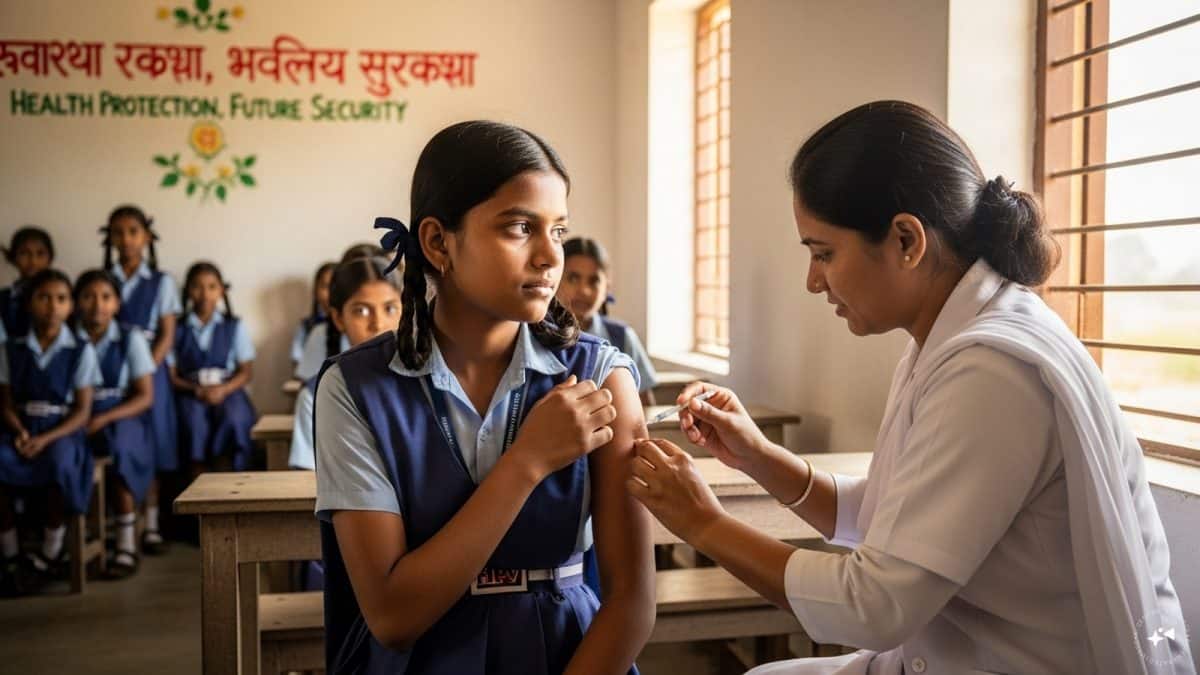
School-Based HPV Vaccination: A New Chapter in Cervical Cancer Prevention for India
Cervical cancer is one of the most common cancers among women worldwide, with human papillomavirus (HPV) infection being its primary cause. The burden of this disease is particularly heavy in India. To address this challenge, India is actively implementing a school-based HPV vaccination rollout.
Core Strategy and Objectives of the Program
The core of this initiative is to administer the HPV vaccine to eligible girls within the school setting. This strategy offers several advantages:
- High Coverage: Schools provide an efficient platform to reach a large target population (girls aged 9-14), facilitating broad vaccine coverage.
- Convenience and Accessibility: Vaccination at school removes the need for families to travel to healthcare facilities, increasing convenience and access.
- Building Healthy Habits: Integrating vaccination into school health programs helps instill preventive healthcare awareness from a young age.
Profound Public Health Impact
Experts emphasize that the successful implementation of this nationwide vaccination program has the potential to create a profound impact on public health in India:
- Reducing Incidence: By preventing infections from high-risk HPV strains, it can directly decrease the future occurrence of cervical pre-cancers and cancers.
- Alleviating Healthcare Burden: A reduction in cervical cancer cases would directly ease the immense pressure on the healthcare system related to screening, diagnosis, and treatment.
- Saving Lives: The ultimate goal is to significantly lower female mortality rates caused by cervical cancer, safeguarding the health and productivity of families and society.
This school-based HPV vaccination rollout represents a crucial step for India in the fields of cancer prevention and public health, serving as an important model for other low- and middle-income countries globally.