Drug Repurposing: A New Hope Against Alzheimer's
Dementia is the leading cause of death in the UK, affecting around one million people. Yet, there is still no cure. Creating brand new drugs can take 10 to 15 years and cost billions, with no guarantee of success. Repurposing medicines that are already approved and widely used could provide a faster, safer, and more affordable path toward new Alzheimer's treatments.
Three Promising Candidates Emerge
Funded by Alzheimer's Society, led by the University of Exeter, and published in Alzheimer's Research and Therapy, this study convened an international panel of 21 dementia experts, pharmaceutical industry representatives, and people affected by dementia. They evaluated 80 existing medications to identify the most promising ones for treating or preventing Alzheimer's disease. After multiple rounds of review, the panel agreed on three 'priority candidates':
- Shingles vaccine (Zostavax): Studies suggest a possible link between the shingles virus and dementia. The vaccine interacts with the immune system in a way that may help counter some harmful changes associated with Alzheimer's. Previous research indicates people who received the vaccine were about 16% less likely to develop dementia.
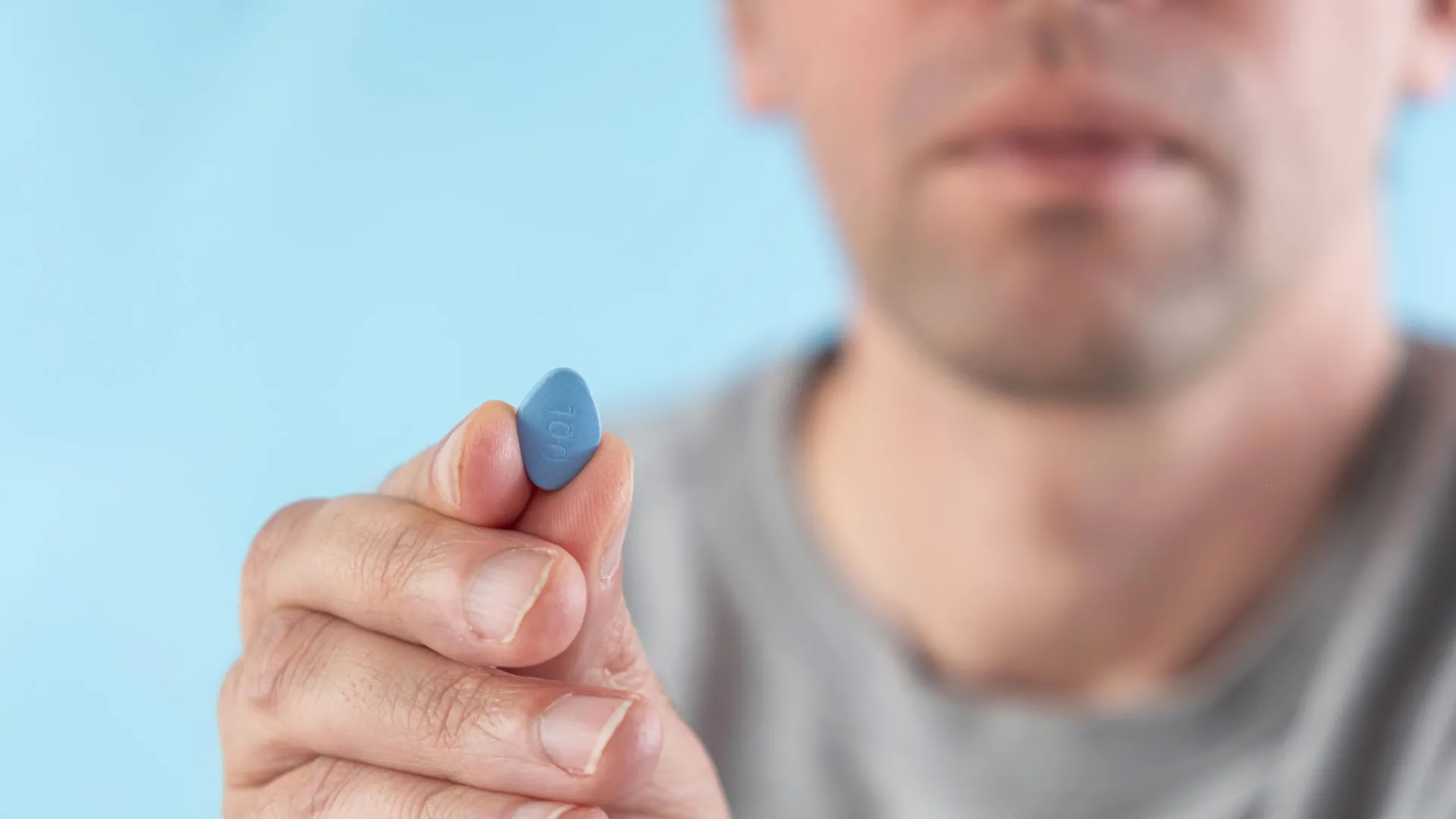
- Sildenafil (Viagra): Research indicates it may protect nerve cells and reduce the buildup of tau, a protein that accumulates abnormally in Alzheimer's. In animal studies, sildenafil also improved thinking and memory, possibly by increasing blood flow to the brain.
- Riluzole: Currently prescribed for motor neurone disease, riluzole has improved cognitive performance and lowered tau levels in animal studies.
These drugs were selected because they target biological processes linked to Alzheimer's, have shown encouraging results in preclinical studies, and are considered safe for use in older adults.
Experts Urge Caution and Further Trials
Dr. Anne Corbett, Professor of Dementia Research at the University of Exeter, emphasized: "Beating dementia will take every avenue of research—from using what we already know, to discovering new drugs. Drug repurposing is a vital part of that mix, helping us turn today's medicine for one condition into tomorrow's treatment for another."
"It's important to stress that these drugs need further investigation before we will know whether they can be used to treat or prevent Alzheimer's. We now need robust clinical trials to understand their true value and confirm their effectiveness."
Prof Fiona Carragher, Chief Policy and Research Officer at Alzheimer's Society, said: "Years ago, we saw aspirin being repurposed from a painkiller to helping people reduce their risk of heart attack or stroke. This is what we want to see in the field of dementia, and why we believe drug repurposing is one of the most exciting frontiers in dementia research."
Researchers are now planning to launch a large UK clinical trial to test the shingles vaccine's effectiveness in preventing Alzheimer's disease.