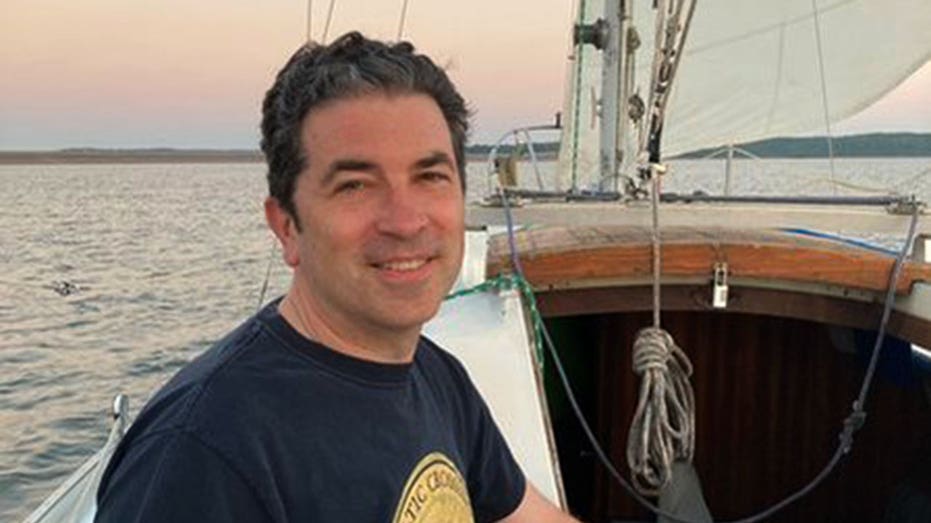
From Caregiver to Patient: A Shift in Identity
As a doctor long dedicated to caring for Alzheimer's patients, I was intimately familiar with the brutality of the disease. However, when I was diagnosed with Alzheimer's myself at the age of 57, that knowledge shifted from a professional understanding to an intensely personal experience. This role reversal gave me a new and profound perspective on the illness, the patient's experience, and the uncertainty of the future.
Facing the Diagnosis: Challenges and Responses
The moment I received the diagnosis, shock, fear, and confusion intertwined. But drawing on my medical background, I quickly realized that dwelling on negative emotions was not helpful. I began to take proactive steps, using my expertise to plan my response strategy. This included seeking the latest treatment options, adjusting my lifestyle, and having open conversations with my family to plan for the future together.
Hope from New Treatments
In recent years, there have been advancements in the field of Alzheimer's treatment. I actively participated in trying new therapies aimed at slowing the rate of cognitive decline. While there is currently no cure, these interventions have brought valuable hope and the potential for improved quality of life for me and many other patients.
Planning for the Future: Living in the Present
Facing Alzheimer's, planning for the future becomes both crucial and more challenging. My focus is on "living in the present." Together with my family, I have established legal and financial plans to ensure my wishes are respected later. Simultaneously, I cherish every moment with loved ones more than ever, focusing on activities that bring joy and meaning, such as reading, listening to music, and taking simple walks outdoors.
Advice for Colleagues and Patients
Drawing from my dual perspective, I would like to tell my medical colleagues: always maintain empathy; a patient's experience is far more complex than textbook descriptions. For newly diagnosed patients and their families, my advice is: do not bear the burden alone—actively seek support groups and professional help; focus on controllable factors like a healthy diet, regular exercise, and cognitive training; most importantly, do not give up hope, as medicine continues to advance.