New Pill Cuts 'Bad' Cholesterol by 60%, Offering New Hope for Cardiovascular Disease Treatment
A large phase three clinical trial published in The New England Journal of Medicine brings exciting news: a new experimental oral medication called enlicitide has demonstrated powerful efficacy in lowering 'bad' cholesterol, with reductions of up to 60%. This effect rivals some of the most potent injectable therapies currently available, potentially offering a more convenient treatment option for millions of patients with cardiovascular disease.
Many Patients Still Miss Targets
Dr. Ann Marie Navar, a cardiologist at UT Southwestern Medical Center and lead researcher of the study, noted, "Fewer than half of patients with established atherosclerotic cardiovascular disease currently reach LDL cholesterol goals. An oral therapy this effective has the potential to dramatically improve our ability to prevent heart attacks and strokes on a population level."
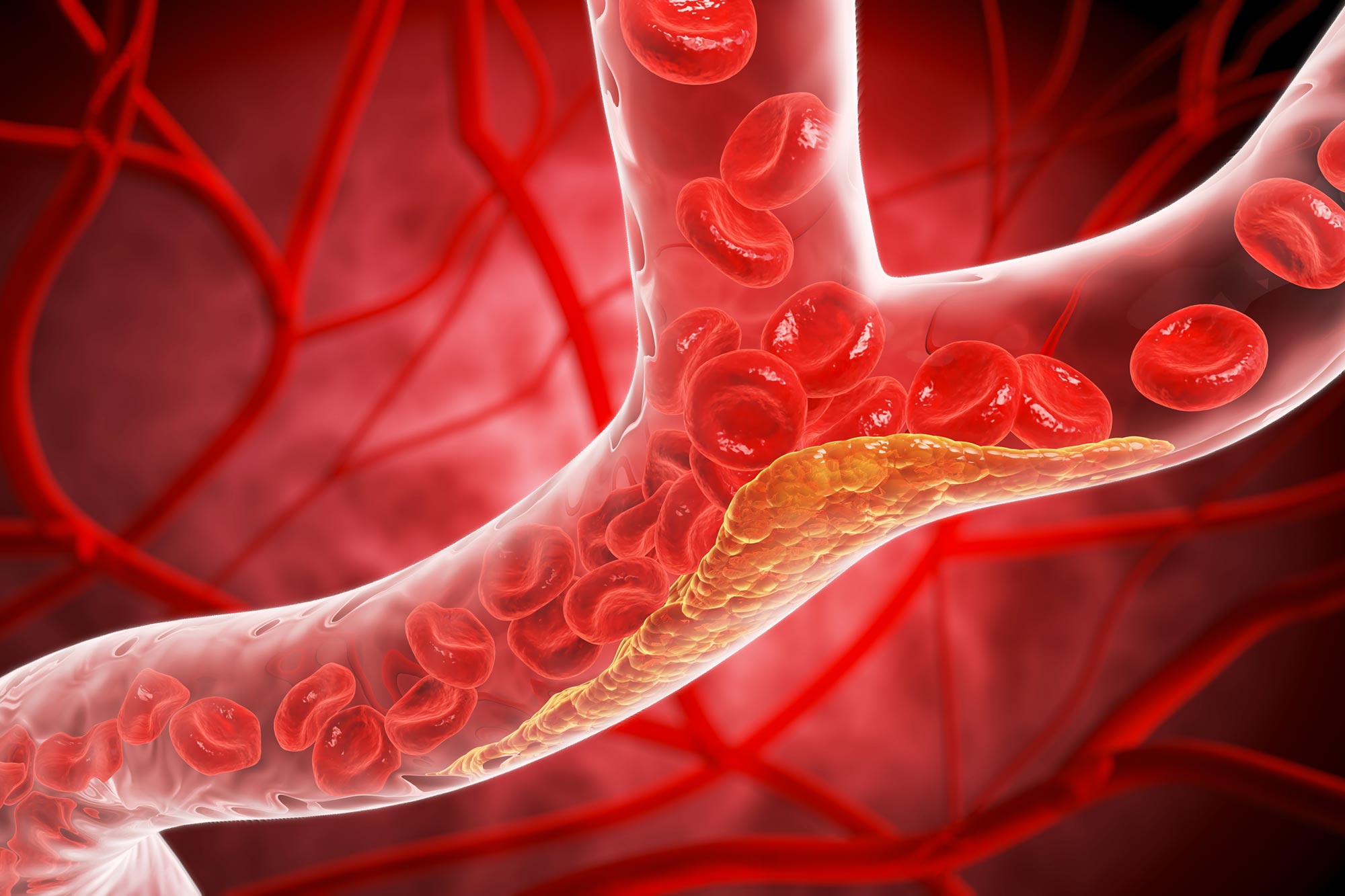
LDL cholesterol plays a central role in cardiovascular disease. These cholesterol-carrying particles can accumulate within the walls of blood vessels, gradually forming fatty deposits known as plaques. This process, called atherosclerosis, can narrow arteries and eventually trigger heart attacks or strokes. Therefore, reducing LDL cholesterol remains one of the most important strategies for preventing cardiovascular disease and lowering risk in those already affected.
Decades of Discovery Behind the Drug
According to Dr. Navar, the development of enlicitide is built upon decades of scientific exploration into cholesterol metabolism pathways. The drug works through a novel oral mechanism designed to lower LDL levels efficiently and safely. This study, sponsored by the drugmaker Merck & Co. Inc., provides crucial data supporting this potential blockbuster therapy.
Future Outlook
If eventually approved by the U.S. Food and Drug Administration, this drug could offer a new way for millions of people in the United States to lower their chances of heart attacks and strokes. Enlicitide may be particularly beneficial for patients who cannot tolerate or adequately control their cholesterol with existing oral medications, such as statins. It injects new vitality into the field of cardiovascular disease prevention and treatment.