A Cautionary Tale
In 2017, a 78-year-old woman sought medical attention due to concerns about her short-term memory loss. Despite taking two blood pressure medications, her reading was 148/86 mmHg. After lifestyle modifications—reducing alcohol and salt intake and starting exercise—her systolic pressure dropped to the 130-140 mmHg range, still considered hypertensive by the guidelines at the time. By 2019, she was diagnosed with mild cognitive impairment, as evidence linking hypertension to dementia grew stronger. Her doctor reflected, "I was not as aggressive as I should have been." After adding a third medication, her readings fell below 120 mmHg.
The Shifting Goalposts for Blood Pressure Control
The evolution of blood pressure guidelines resembles a challenge of "how low can you go?" For over 25 years, a reading below 140/90 mmHg was considered normal. However, recent revisions issued last year recommend that patients at cardiovascular risk strive for systolic readings below 120 mmHg, deeming this target "reasonable" even for those not at high risk. What was once normal is now defined as hypertension.
Blood pressure normally rises with age because "with stiffening of the arteries, the heart has to pump harder." Yet, the new guidelines could "define a lot more people as having high blood pressure."
'What’s Good for the Heart is Good for the Brain'
Recent studies from the US and China showing cognitive benefits from lower blood pressure readings have "tipped the scales" for older adults. "What’s good for the heart is good for the brain," serving as "a lever to get people to pay more attention to their blood pressure."
Nearly all major medical associations have endorsed the latest guidelines. A cardiologist noted, "I used to be lenient... fearing overtreatment could cause bad things like hypotension, dizziness, and falls. Now, I’m treating my older patients more aggressively."
The Balancing Act: Treatment and Risks
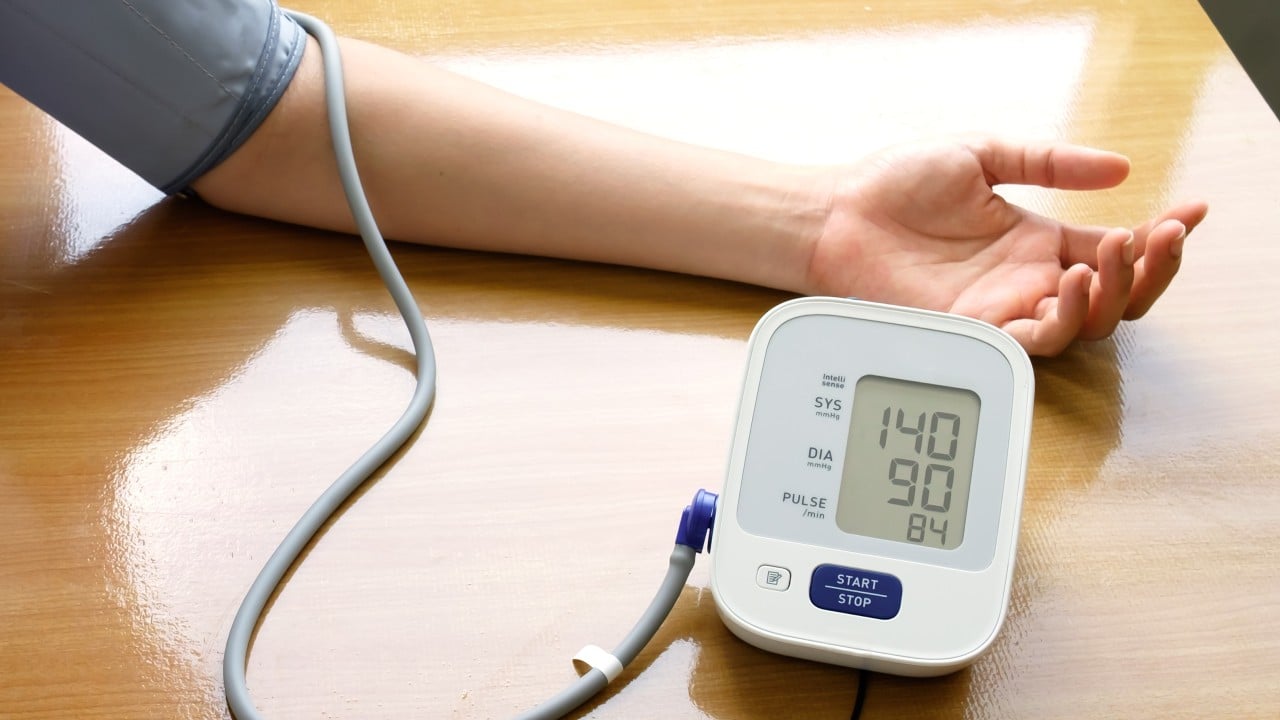
Blood pressure management is tricky. It varies throughout the day, and readings are often higher in a clinical setting. Therefore, doctors may ask patients to record their blood pressure twice daily for a week or two before appointments, sometimes prescribing 24-hour home monitoring.
The new guidelines have skeptics. Some experts counsel older patients with a systolic reading of 135 mmHg on diet, exercise, and weight loss rather than immediately starting medication. She encourages patients: "Take a class! Go to a museum! Enjoy life, rather than stressing at home taking your blood pressure five times a day."
For individuals with other serious illnesses, such as cancer or frail nursing home residents with dementia, blood pressure management goals and methods require more personalized consideration.