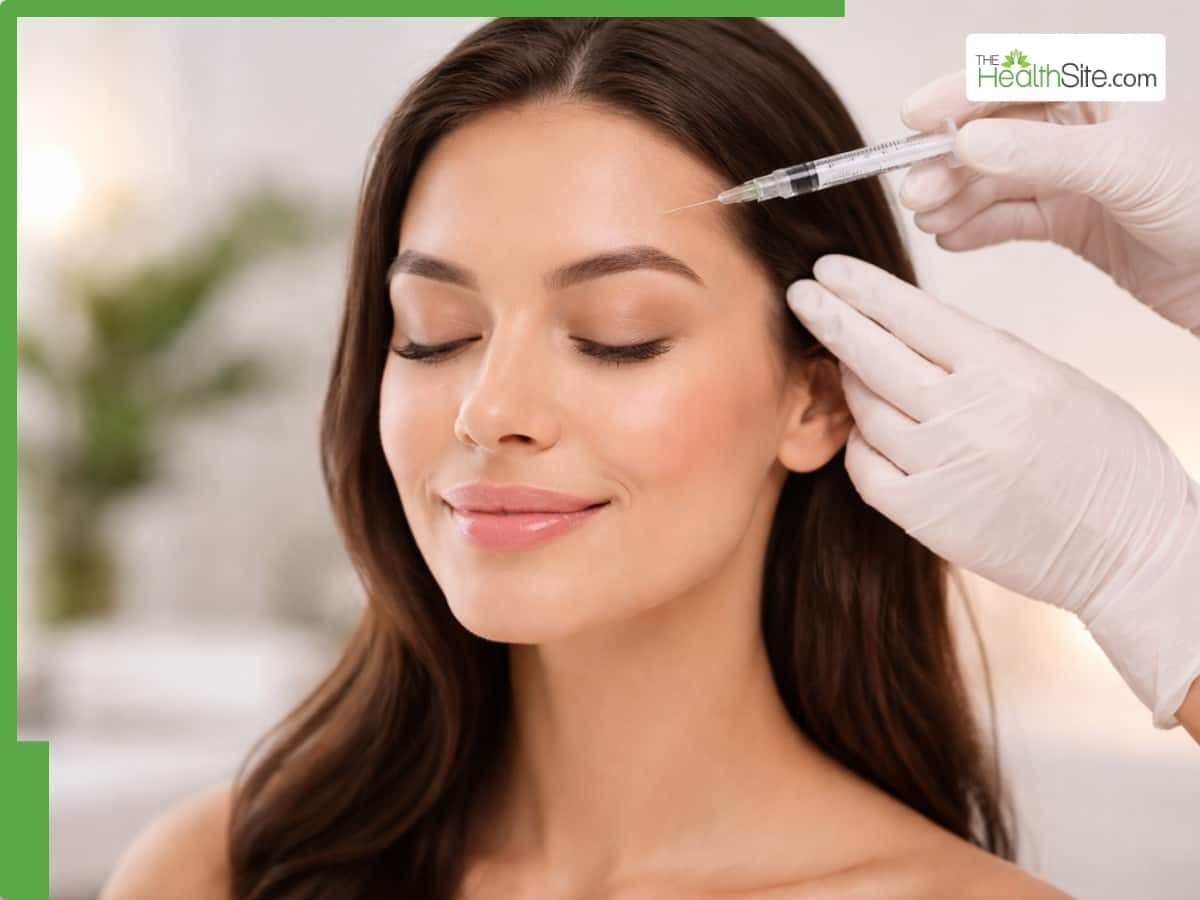
What is Preventive Botox?
Preventive Botox, sometimes referred to as "micro-Botox" or "Baby Botox," involves using small doses of Botulinum Toxin Type A before wrinkles have fully formed or are in their very early stages. The core idea is not to "treat" existing wrinkles but to "prevent" future wrinkles from deepening and forming.
How Does It Work?
Facial wrinkles, especially on the forehead, between the eyebrows (glabellar lines), and around the eyes (crow's feet), are largely caused by the repeated contraction of facial expression muscles. Each time we smile, frown, or squint, the skin folds. With age, as collagen and elastin in the skin decrease, these fold marks gradually become fixed, forming static wrinkles.
Preventive Botox works through the following mechanisms:
- Muscle Relaxation: Low doses of botulinum toxin temporarily and mildly block the signals between nerves and muscles, reducing the activity of targeted muscles (e.g., frontalis, corrugator supercilii).
- Reduced Skin Folding: Reduced muscle activity means the skin is folded and squeezed far less frequently and forcefully.
- Delayed Crease Setting: It gives the skin more "rest" time, delaying the process by which skin creases from muscle movement turn into permanent static wrinkles.
Who Is It For and Key Considerations
Individuals considering preventive Botox are typically in their 20s to 30s, who have begun to notice fine dynamic lines when making expressions and wish to take proactive steps to delay signs of aging.
Important Considerations:
- Professional Consultation is Crucial: The procedure must be performed by an experienced, qualified medical professional. The doctor needs to precisely assess muscle structure, injection dosage, and points to achieve a natural look and avoid facial stiffness or asymmetry.
- Dosage is Key: Preventive treatments typically use much lower doses than those for treating established wrinkles, aiming to subtly weaken muscle movement, not freeze it completely.
- Effects are Temporary: The effects of Botox usually last 3 to 6 months, requiring periodic maintenance treatments.
- Not a Cure-All: It primarily targets wrinkles caused by muscle movement. Its effectiveness is limited for skin aging issues caused by sun exposure, gravitational sagging, or volume loss.
Conclusion
Preventive Botox offers young adults an option to proactively manage the skin aging process. Its core advantage lies in "prevention," using very early intervention to delay the appearance of wrinkles. However, it remains a medical aesthetic procedure whose success highly depends on professional medical evaluation and precise execution. Before considering this option, have an in-depth discussion with a dermatologist or plastic surgeon to make an informed decision based on your skin condition, aging pattern, and health goals. Meanwhile, consistent daily sun protection, a healthy diet, and scientific skincare remain the irreplaceable foundation for long-term skin health.