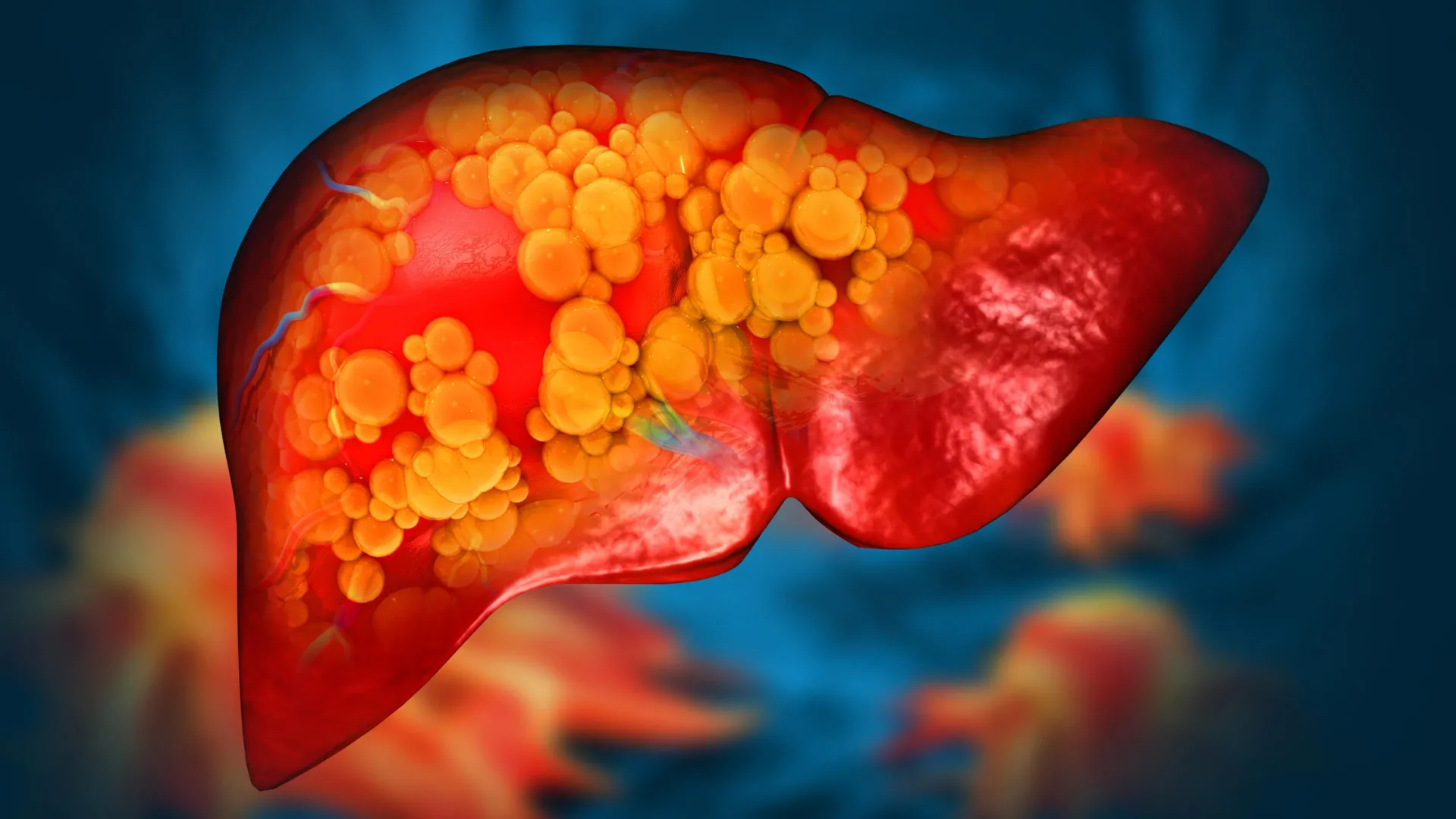
Drinking Pattern Matters More Than Total Amount
Many people assume that occasional binge drinking is harmless if they otherwise drink in moderation. However, a large study led by Keck Medicine of USC issues a serious warning. The research indicates that how you drink—specifically, consuming large amounts in a short period—may be more critical for liver health than your total weekly alcohol intake.
Key Research Findings
The study analyzed nationally representative data from over 8,000 U.S. adults collected between 2017 and 2023, focusing on patients with metabolic dysfunction–associated steatotic liver disease (MASLD). MASLD affects about one in three U.S. adults and is linked to metabolic issues like obesity, type 2 diabetes, high blood pressure, or high cholesterol.
"Episodic heavy drinking" was defined as:
- For women: 4 or more drinks on one occasion
- For men: 5 or more drinks on one occasion
- Frequency: At least once a month
The key conclusion: Among people with MASLD who consumed the same total amount of alcohol, those who engaged in episodic heavy drinking at least monthly had nearly three times higher odds of developing advanced liver fibrosis (serious scarring) compared to those who spread their intake over time.
Why Is Binge Drinking So Harmful?
Principal investigator Brian P. Lee, MD, MAS, a hepatologist, explains that consuming a large amount of alcohol at once can overwhelm the liver, directly increasing inflammation, which leads to scarring and damage. This damaging effect is amplified in individuals who already have underlying liver issues due to MASLD.
Dr. Lee notes that physicians have traditionally focused on total alcohol consumption when assessing liver risk. This study suggests that "how" you drink is equally, if not more, important.
Who Is at Higher Risk?
The study found that younger adults and men were more likely to report episodic heavy drinking. Furthermore, the greater the number of drinks consumed on a single occasion, the more severe the liver fibrosis tended to be.
Health Implications for the Public
This research serves as a crucial wake-up call:
- Even if you drink moderately most of the time, an occasional "binge" can cause significant harm to your liver.
- Individuals with risk factors for MASLD, such as obesity or diabetes, need to be especially vigilant about the dangers of binge drinking.
- To prevent liver disease, it's essential not only to control total alcohol intake but also to avoid the pattern of consuming large amounts in a short time.
With alcohol-related liver disease having more than doubled in the last two decades, understanding and modifying unhealthy drinking patterns is vital for protecting liver health.