The ‘Maxxing’ Diet Trends on Social Media
From protein to dietary fibre, the ‘maxxing’ mindset has permeated social media. Wellness influencers insist that loading up on certain nutrients is the key to vitality and a life-changing ‘gut glow-up.’ These viral diet trends rooted in extreme optimisation are affecting how people eat and what companies sell. But are they actually healthy?
‘Proteinmaxxing’ insists that more is better when it comes to this macronutrient found in foods like nuts, meat, and dairy. Meanwhile, dietary fibre is on track to be 2026’s online trend of choice—advocates claim ingesting as much as possible will make you less hungry and more regular.
Brands Take Note
Brands have taken note. If you can buy it, there’s probably a protein-boosted version—even the sugariest cereals tout their high protein content. Meanwhile, companies like PepsiCo, Nestlé, and newer firms like soft drink maker Olipop are highlighting the fibre content in their prebiotic sodas or chips. ‘I think fibre will be the next protein,’ said PepsiCo CEO Ramon Laguarta in an earnings call late last year.
More Is Not Always Best
Nutritionists say there are grains of truth to the fibre craze. Andrea Glenn, an assistant professor of nutrition at New York University, calls the movement surrounding fibre a ‘pretty tame wellness trend compared to the other things out there.’ However, experts agree that more is not always best, especially regarding protein.
Arch Mainous, a professor at the University of Florida, warns that people are putting too much stock in the one-size-fits-all health advice of influencers. He notes that few influencers are trained scientists, and many have brand deals or agendas of their own, including products to sell.
Science-Based Intake Guidelines
So what is an eater to do? First, talk to your doctor, Mainous says.
- Protein: The American Heart Association says that for many people, a day including a glass of milk, a cup of yogurt, a cup of cooked lentils, and a piece of cooked lean meat or fish around the size of a deck of cards will be in the ballpark of the average daily protein target.
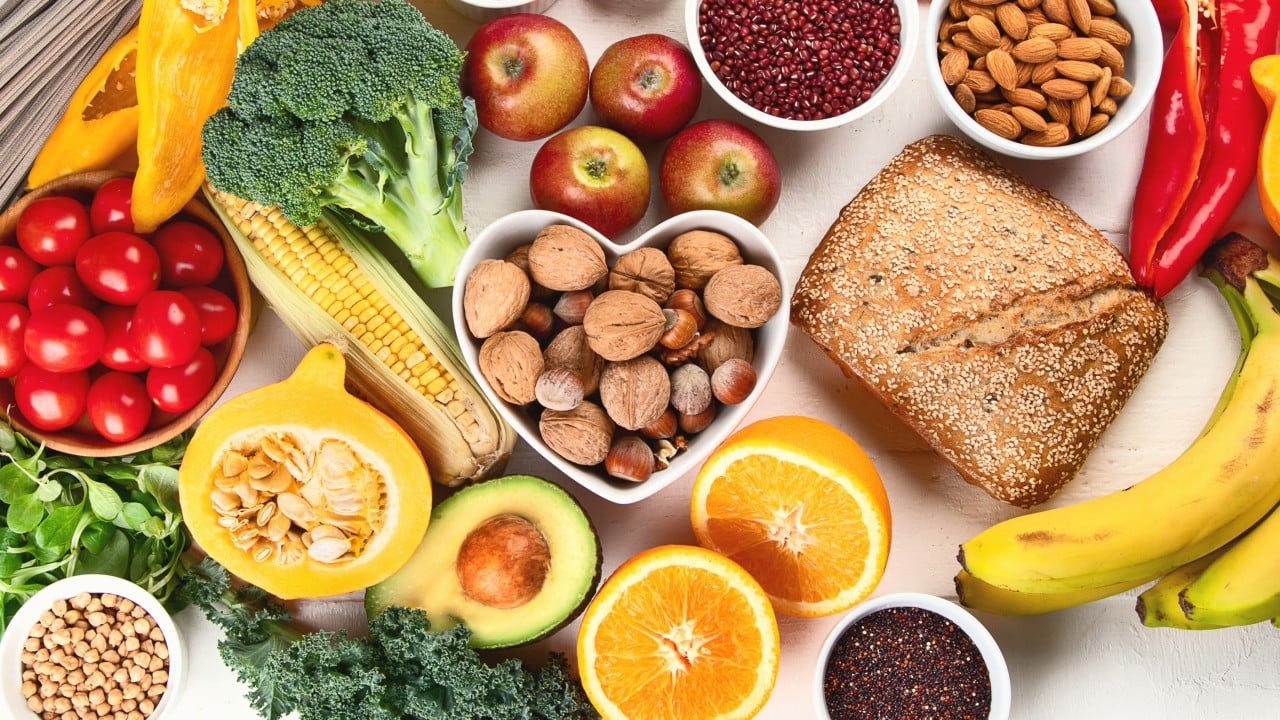
- Fibre: Glenn says 25 to 38 grams, depending on age and sex, is a good goal. High-fibre foods—such as beans, fruits, vegetables, nuts, and whole grains like oats or quinoa—are linked to lower rates of certain cancers and can help keep cholesterol and blood sugar in check.
Key Reminders
Samantha Snashall, a registered dietitian, warns that if you are not currently eating much fibre, ‘maxxing’ is not a good course. Shake things up overnight and ‘your GI system is going to have a strong reaction.’ She advises, ‘Slow and steady wins the race.’
Glenn notes that powders and supplements cannot serve as a replacement for whole, real foods. Perhaps most importantly, no nutrient is a cure-all—those ‘fibre-rich’ chips probably will not change your life.