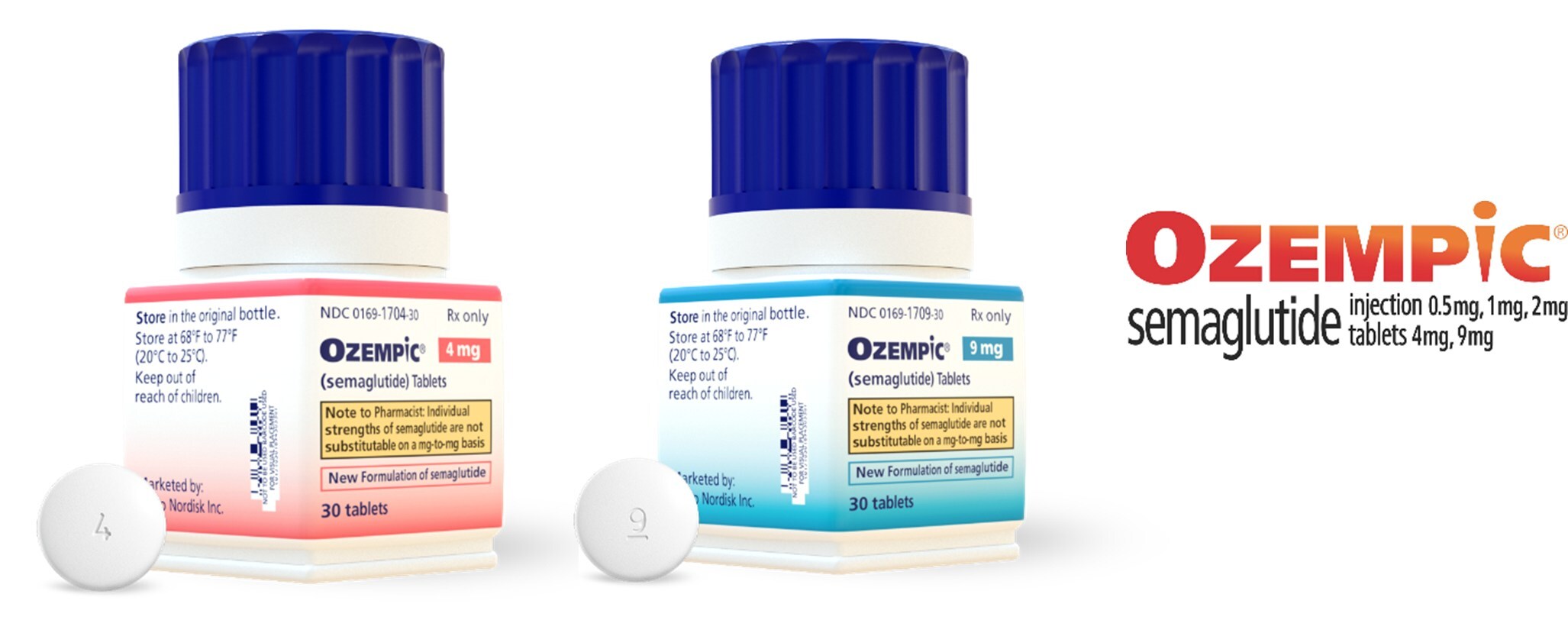
Ozempic® Pill: A New Option for Diabetes Treatment
Novo Nordisk has announced that its innovative Ozempic® pill will soon be available in the United States. It is the only oral peptide GLP-1 receptor agonist approved by the U.S. Food and Drug Administration (FDA) for the treatment of type 2 diabetes in adults.
Mechanism of Action of GLP-1 Receptor Agonists
GLP-1 (glucagon-like peptide-1) is a natural incretin hormone that can:
- Stimulate insulin secretion: Prompts the pancreas to release more insulin when blood sugar rises.
- Suppress glucagon release: Reduces excess glucose production by the liver.
- Slow gastric emptying: Increases satiety and slows digestion and absorption of food.
Ozempic® mimics the effects of GLP-1 to effectively control blood glucose levels and help patients achieve weight loss.
Advantages of Oral Formulation
Unlike traditional injectable formulations, the Ozempic® pill offers patients a more convenient method of administration, especially suitable for those who fear needles or find frequent injections inconvenient. This breakthrough is expected to improve treatment adherence and long-term blood sugar management.
Safety and Precautions
Common side effects of Ozempic® include nausea, vomiting, and diarrhea, which typically occur at the start of treatment and diminish over time. Patients should use the medication under medical supervision and regularly monitor blood glucose and kidney function. It is contraindicated in individuals with a history of medullary thyroid carcinoma or those with a family history of this condition, as well as those allergic to GLP-1 medications.