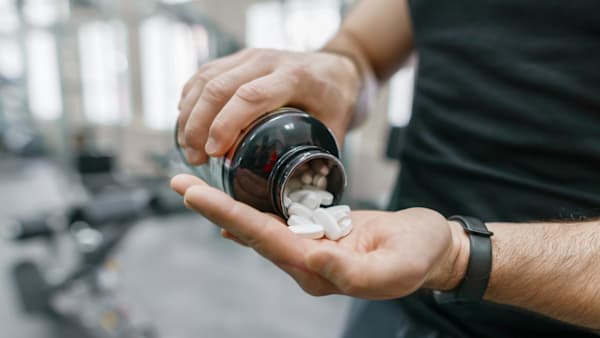
The Surge in Supplement Use: A Fitness Culture Phenomenon
If you hit the gym regularly, you're likely consuming protein shakes or pre-workout supplements like creatine, BCAAs, and caffeine. Dietitians attribute the 30%-50% growth in supplement use among active adults to the rise of preventive health trends and the desire for better body composition. Community-driven events like Hyrox and CrossFit in Singapore have also normalized supplement use.
How to Tell If a Brand Is Legitimate
Most sports supplements are safe, but beware of illegal additives. You can check the Health Sciences Authority (HSA) website or the NSF international database for product listings. Look for a full ingredient list and avoid exaggerated claims like '100% weight loss'. Check for typos and clear dosage instructions. Third-party certifications such as 'NSF Certified for Sport' or 'Informed Sport' are key indicators of safety and label accuracy.
Avoid Untraceable Sellers
Do not buy supplements only through private messages on Telegram or Instagram. Choose reputable stores like Guardian, Watsons, Unity, or official stores on Shopee and Lazada. When shopping online, read both five-star and one-star reviews. If the price seems too good to be true, it probably is.
Guide to Common Supplements
Protein Powder
What it does: Whey protein is rapidly absorbed, ideal for post-workout recovery. Casein digests slowly, providing sustained amino acid release overnight.
- What to look for: High-quality whey concentrate should offer 20-25g of protein per 30g serving; isolates should offer 25-28g. The first or second ingredient should be 'whey protein', 'protein isolate', or 'micellar casein'. Avoid products where sugar or maltodextrin appear early on the list.
- What to avoid: Products with creamers, oils, and amino acid blends (like glycine, taurine) that artificially boost protein readings. Collagen protein is an incomplete protein lacking tryptophan and is not effective for muscle synthesis.
- Not suitable for: Individuals with lactose intolerance (opt for whey isolate), milk protein allergy, kidney disease (consult a doctor first), and those on thyroid medication (keep at least 4 hours apart from supplements).