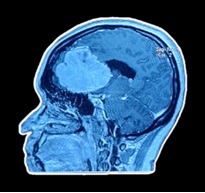
Significant Improvement in Survival for High-Grade Gliomas
Ahead of World Brain Tumour Day, experts in Delhi-NCR report that survival in high-grade gliomas has improved by up to 50%. Median survival has increased from 9–12 months to 14–18 months, with a growing number of patients surviving two years or more and a small subset now living beyond a decade. This progress reflects meaningful advances despite ongoing challenges such as late diagnosis.
Technological Advances Driving Change
According to specialists from leading institutions in Delhi-NCR, advances in molecular diagnostics, comprehensive genomic profiling, neuronavigation-assisted surgery, precision radiation therapy, and targeted treatments are transforming the glioma treatment landscape. Nearly 40% two-year survival is now reported among Grade III and Grade IV glioma patients at some centers, and about 5% of patients in certain cohorts survive for more than 10 years.
Expert Insights: Recognizing Early Symptoms
Dr. Tejinder Kataria, Chairperson of Radiation Oncology at Medanta, said: “Radiation oncology has evolved from open beams to multi-leaf collimators and precise beam configuration. It's not just treating the tumor, but also the quality of life. Median survival has moved from 9–12 to 14–18 months. With neuronavigation and radiation, our two-year survival for Grade 3 and 4 gliomas is almost 40%, and about 5% of patients are living for 10 years. The biggest blind spot in India is late presentation; symptoms like headaches, hearing deficits, or visual issues are often mistaken for common conditions. More awareness is needed.”
Dr. R. Ranga Rao, Chairman of Medical Oncology at Paras Health Gurugram, noted: “Brain tumour treatment is no longer limited to surgery and radiation. Growing understanding of tumour biology helps tailor treatment to each patient’s molecular profile. Markers such as IDH mutations and MGMT status, and comprehensive genomic sequencing, increasingly guide treatment decisions. When patients are evaluated early by a multidisciplinary neuro-oncology team, outcomes improve. New targeted therapies have expanded options for recurrent disease, allowing some patients to live longer with better quality of life.”
Dr. Shyam Agarwal, Senior Consultant in Medical Oncology at Sir Ganga Ram Hospital, emphasized: “Many people feel hopeless when they hear 'brain tumour', but brain tumours come in many varieties—benign and malignant—and even malignant ones have different grades. We have many drugs and treatment options, including surgery and radiation, to control cancer for long periods and potentially achieve cure depending on tumour type. Molecular testing like comprehensive genomic profiling (CGP) is essential. If an IDH1 aberration is found, patients can be treated with Vorasidenib. Gene sequencing should be considered for all brain tumours to identify targetable precision medicine options.”
Future Directions: Precision Oncology and Clinical Trials
Dr. Pranav Sopory, Medical and Patient Affairs Director at Servier India, stated: “It’s no longer a one-size-fits-all disease; it's largely a precision oncology-driven therapy area. Mutations such as IDH1/2, MGMT and 1P19 must be checked. Organizations are now experimenting with next-generation immunotherapies and CAR T cell therapies in gliomas, with outstanding early results. The future looks brighter for glioma patients. India should strengthen the clinical trial ecosystem, innovate public insurance schemes like Ayushman Bharat, and provide space for multidisciplinary team discussions to ensure patients access innovative therapies earlier.”
Conclusion
Experts stress that while gliomas remain among the most difficult cancers to treat, advances in precision diagnostics, targeted therapies, modern radiation techniques, and multidisciplinary care are steadily changing outcomes. Greater awareness of warning signs and earlier referral to specialists are crucial for further improvement.