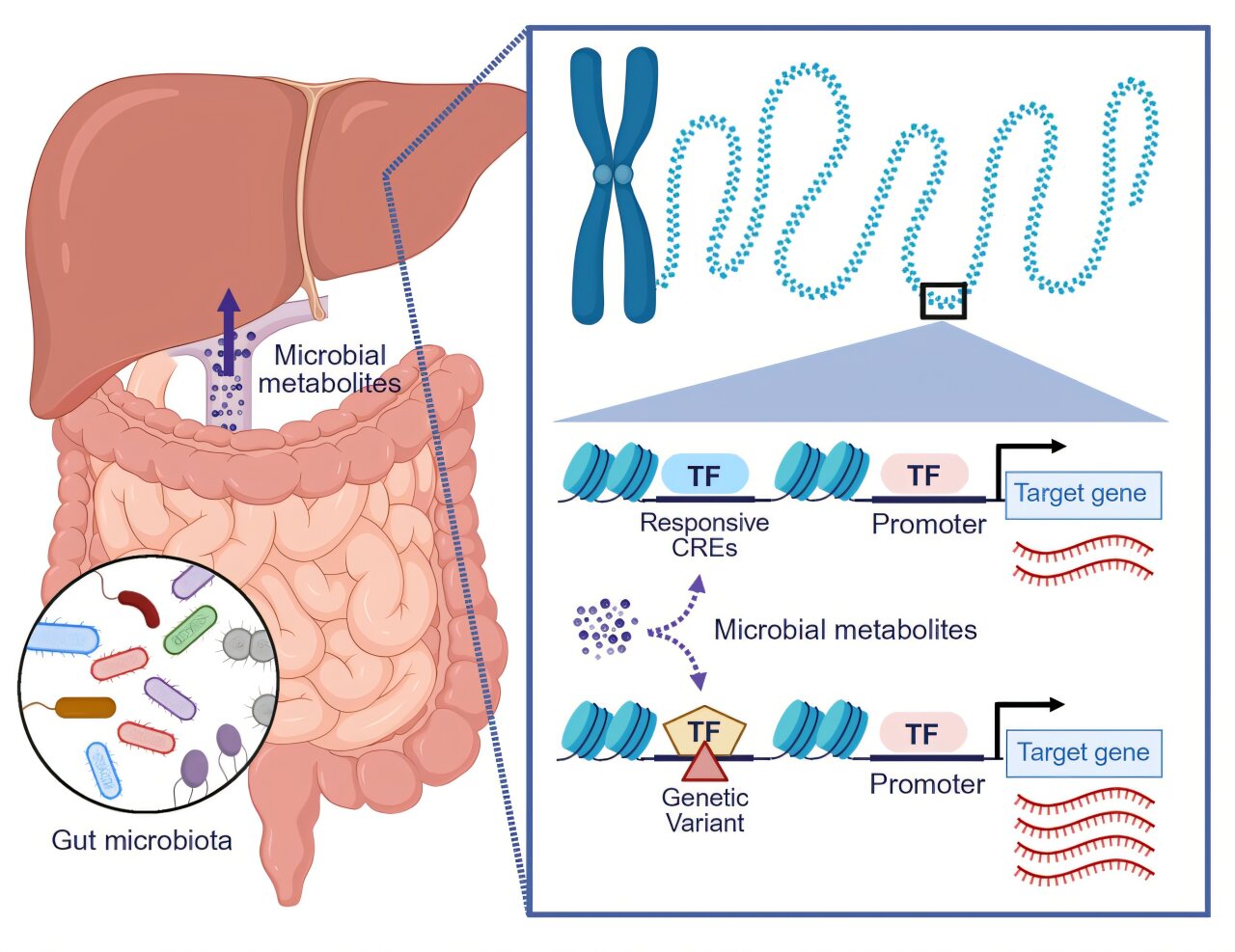
Gut Microbes: The Liver's New Ally
Trillions of microbes living in our gut not only aid digestion but also communicate closely with the liver through the 'gut-liver axis.' New research reveals that these microbes produce specific metabolites that directly regulate liver inflammation and fat metabolism.
Key Findings
- Metabolic regulation: Certain gut bacteria produce short-chain fatty acids that reduce liver fat accumulation and lower the risk of non-alcoholic fatty liver disease.
- Immune modulation: Microbes help the liver fight infections and damage by activating specific immune cells.
- Potential therapies: Dietary adjustments or probiotic supplements may become supportive strategies for improving liver function.
Implications for Daily Life
Maintaining a healthy gut—by eating fiber-rich foods (vegetables, whole grains) and avoiding unnecessary antibiotics—may indirectly protect the liver. In the future, personalized microbiome-based nutrition or drugs could become a new approach to liver disease management.