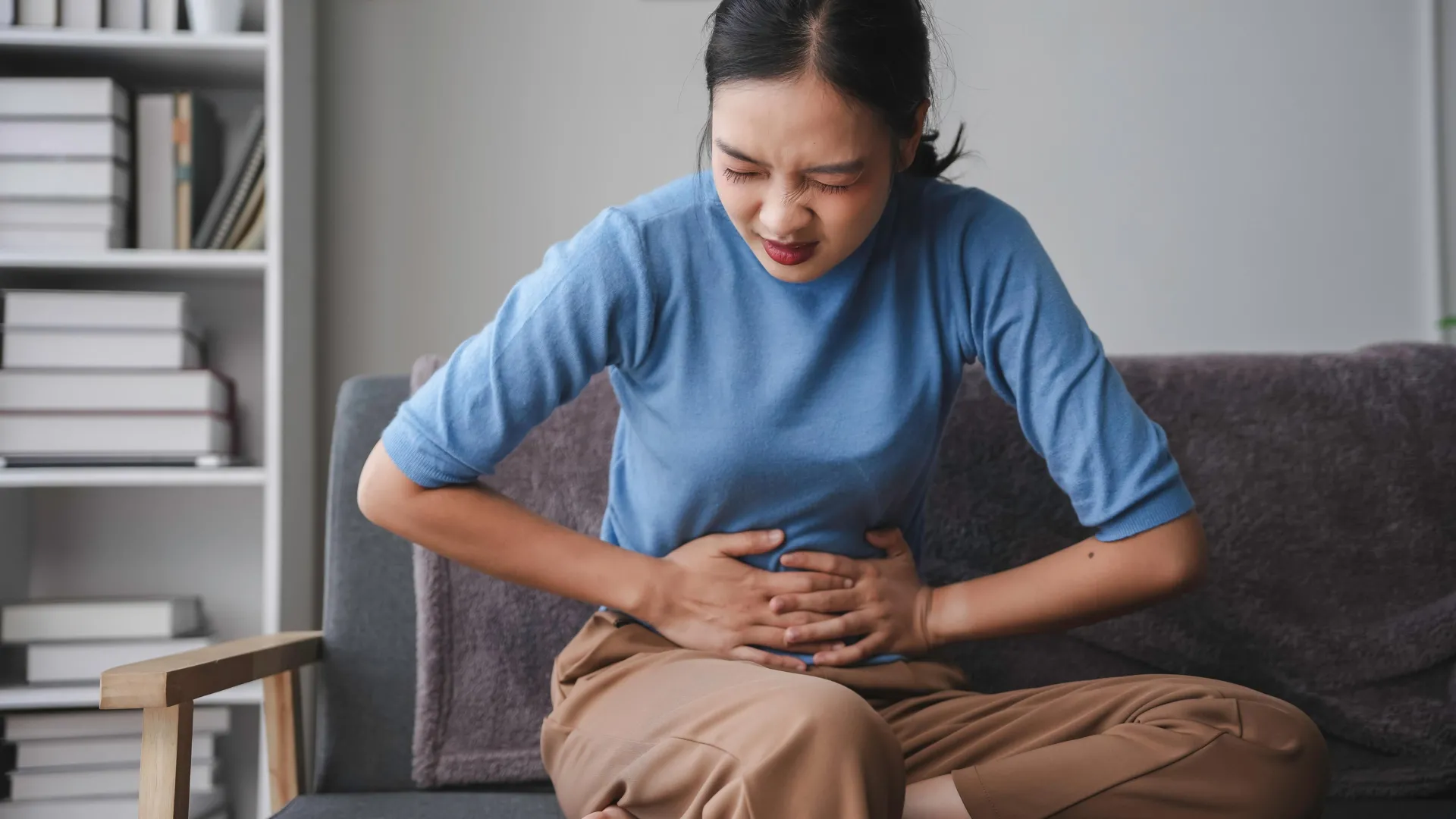
The "Happy Messenger" in the Gut
Serotonin, often called the "happy messenger" in the brain, influences our mood. However, less known is the fact that over 90% of the body's serotonin is actually produced in the gut. Here, serotonin regulates bowel movements and function through the enteric nervous system, often referred to as the "second brain."
Can Bacteria Produce Serotonin?
While previous research indicated that the gut microbiota could influence serotonin production, it remained unclear whether bacteria themselves could directly produce bioactive serotonin. A recent study published in the journal Cell Reports has made a breakthrough. Researchers discovered that two gut bacterial species—Limosilactobacillus mucosae and Ligilactobacillus ruminis—can work together to produce serotonin.
From Lab Bench to Clinical Insight
To test the effects, the research team introduced these two bacteria into germ-free mice that lacked normal serotonin levels. The results were promising:
- Serotonin levels in the mice's intestines increased significantly.
- The number of nerve cells in the colon rose.
- The time it took for food to move through the gut normalized, indicating improved intestinal motility.
More crucially, when analyzing human samples, the researchers found that individuals with Irritable Bowel Syndrome (IBS) had markedly lower levels of the L. mucosae bacterium in their stool compared to healthy controls. This particular bacterium contains the key enzyme necessary for serotonin production.
Opening New Doors for IBS Treatment
The implications of this discovery are significant:
- Reveals a New Mechanism: It clarifies that specific gut bacteria can directly produce bioactive substances (serotonin) that influence gut function.
- Establishes a New Connection: It links IBS symptoms to the deficiency of specific beneficial bacteria.
- Points to a New Direction: It provides a solid scientific foundation and a novel potential target for future treatments. This paves the way for managing IBS and other functional gastrointestinal disorders by precisely modulating the gut microbiota—through probiotics, dietary interventions, or fecal microbiota transplantation—to boost intestinal serotonin.
As co-author Professor Fredrik Bäckhed states, "The finding that intestinal bacteria can form signaling substances such as serotonin may be the key to understanding how the intestine and its inhabitants can affect our brain and behavior."