A Breakthrough Discovery: Rare Gene Mutation and Fatty Liver
Scientists have long believed that metabolic dysfunction-associated steatotic liver disease (MASLD, formerly known as nonalcoholic fatty liver disease) primarily results from a combination of genetic susceptibility, lifestyle, and environmental influences. However, a new study from Mayo Clinic's Center for Individualized Medicine challenges this view. Researchers have found that in certain cases, a single rare inherited mutation can directly trigger the disease.
The MET Gene: A "Gatekeeper" for Liver Health
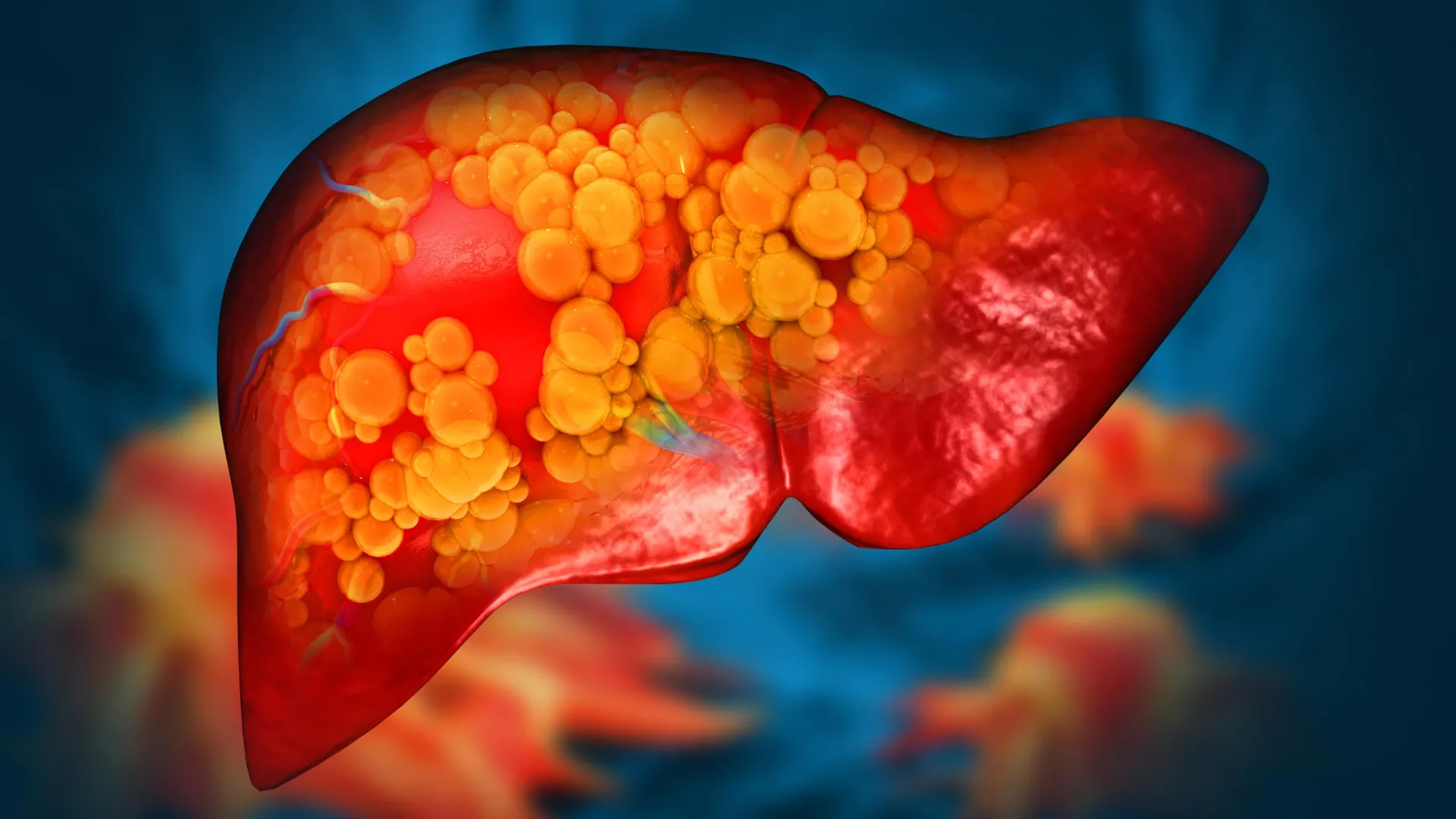
The research team focused on the MET gene. This gene plays a crucial role in liver repair and the body's processing of fat. When this gene is mutated and does not function properly, fat begins to accumulate inside liver cells. This buildup triggers inflammation. Over time, inflammation can progress to fibrosis and scarring, which stiffens the liver. In more advanced stages, the condition can develop into cirrhosis, potentially causing permanent liver damage or even liver cancer.
From a Special Case to a Scientific Clue
The discovery began with the genomic analysis of a unique family: a father and daughter who both had metabolic dysfunction-associated steatohepatitis (MASH, the more severe form of fatty liver disease). Interestingly, neither had diabetes or high cholesterol, common risk factors for fat accumulation in the liver.
Since the usual explanations did not apply, researchers performed an extensive genetic analysis, examining DNA across more than 20,000 genes. During this search, they identified a small but potentially significant alteration in the MET gene. Collaborating with scientists from the Medical College of Wisconsin, the team confirmed that this mutation interfered with a critical biological process—a single swapped letter in the DNA sequence disrupted the message, preventing the liver from properly processing fat.
Large-Scale Data Reveals Broader Impact
To understand if this mutation might appear in other patients, researchers analyzed data from Mayo Clinic's Tapestry study. This initiative has performed exome sequencing on germline DNA from over 100,000 participants.
Among nearly 4,000 adults in the Tapestry study who had MASLD, about 1% carried rare variants in the same MET gene that may contribute to the condition. Nearly 18% of these variants occurred in the same key gene region identified in the original family. This strengthens the evidence that this gene plays a role in liver disease.
Lead author Konstantinos Lazaridis, M.D., stated, "This finding could potentially affect hundreds of thousands, if not millions, of people worldwide with or at risk for MASLD." He emphasized that the discovery highlights the value of studying familial diseases and large-scale genomic datasets, which can reveal rare genetic variations with broader implications for population health.
The Future of Precision Genomics
This finding also underscores the growing role of genomic medicine in clinical care. Since its launch in 2019, Mayo Clinic's Program for Rare and Undiagnosed Diseases has provided comprehensive genomic testing to more than 3,200 patients.
Lead author Filippo Pinto e Vairo, M.D., Ph.D., concluded, "This discovery opens a window into how rare inherited genetic variants can drive common diseases. It provides new insights into this disease pathogenesis and potential therapeutic targets for future research."