How to naturally lose weight fast
Many diets, supplements, and meal replacement plans claim to ensure rapid weight loss but lack any scientific evidence. People may see better results with lifestyle changes, such as regular exercise.
Treelet Health provides the latest health news, disease prevention, nutrition and diet, and other professional health knowledge to help you maintain a healthy lifestyle.
Many diets, supplements, and meal replacement plans claim to ensure rapid weight loss but lack any scientific evidence. People may see better results with lifestyle changes, such as regular exercise.
There were more than 55 million people around the world living with dementia in 2020. Previous research shows there are a number of risk factors that can increase a person’s risk for dementia, such as high cholesterol. A new study discovered that people with genetic variants that naturally cause them to have lower cholesterol also have a lower risk of dementia. Researchers found that for those without these genetic variants, use of cholesterol-lowering drugs might achieve the same result.
The British Dietetic Association (BDA) recently released guidelines for managing chronic constipation. The BDA included 59 recommendation statements that included both food and supplements. Among foods included in the guidelines, both kiwifruit and rye bread showed effectiveness at helping with chronic constipation.
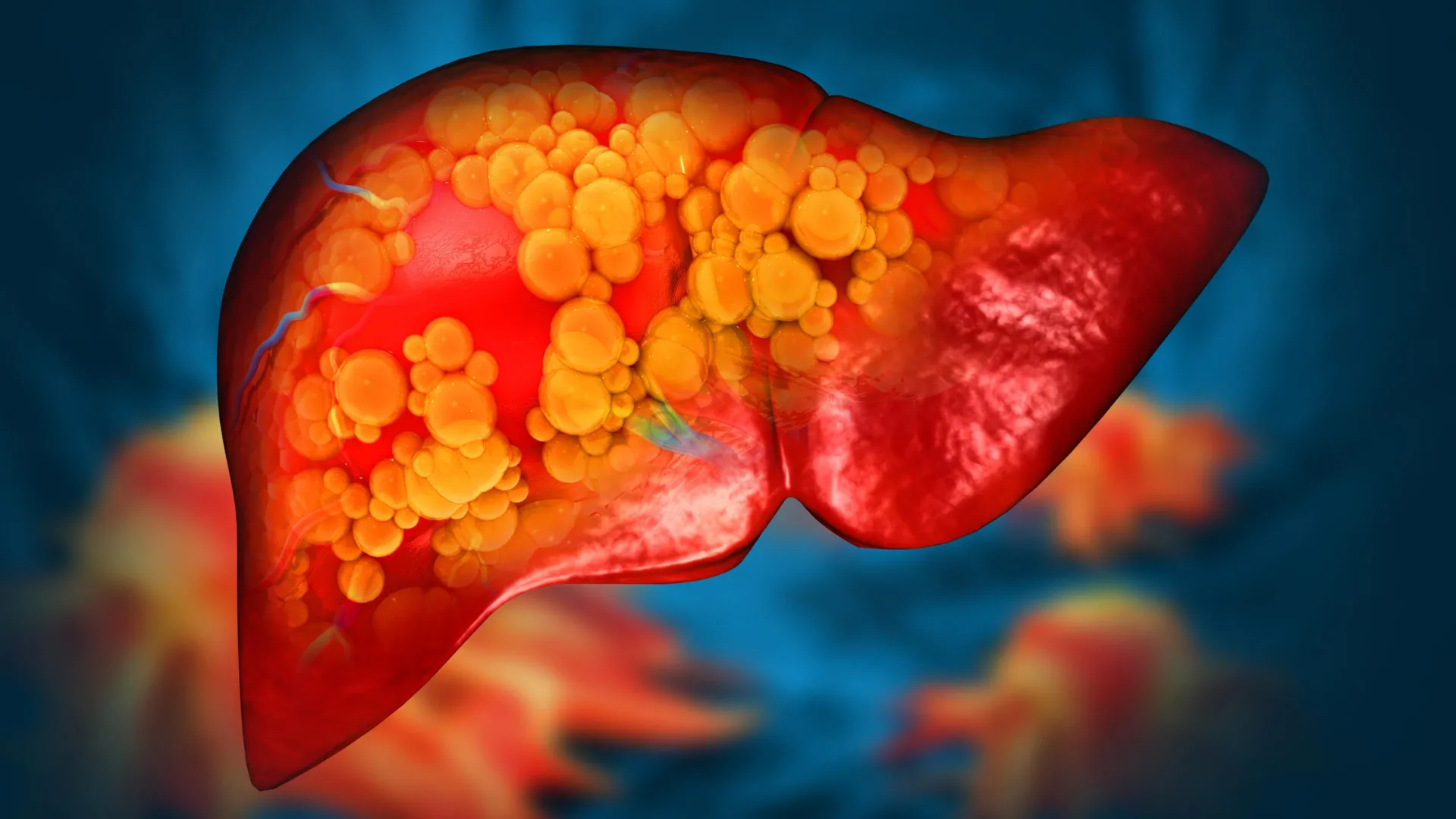
Metabolic dysfunction-associated steatotic liver disease (MASLD), formerly known as nonalcoholic fatty liver disease, is the most common chronic liver disease, affecting almost 40% of adults worldwide. If left untreated, it can lead to more severe liver diseases such as cirrhosis and liver cancer, but there are few drugs available to treat the early stages. Now, a study in animal models has found that, in combination, two commonly used heart drugs reverse fat accumulation in the liver. The researchers suggest that, if further research confirms their findings, this may be a promising treatment for MASLD.
While it is normal for people to experience mild cognitive impairment as we age, severe cognitive decline is not a healthy part of aging. Past research shows that making healthy lifestyle choices, such as not smoking, can help decrease a person’s risk of developing severe cognitive decline. A new study found that quitting smoking during midlife or later can still help in slowing down age-related cognitive decline.
Past studies show that depression can increase a person’s risk for several health conditions, including chronic pain and heart disease. A new study has found that different types of depression are correlated with an increased risk of different cardiometabolic diseases. Among these cardiometabolic conditions were type 2 diabetes and cardiovascular disease, such as a heart attack or stroke.
Individuals with prediabetes, which involves elevated blood glucose (sugar) levels that do not meet the criteria for a diabetes diagnosis, are at a very high risk of progressing to diabetes. Clinical guidelines for delaying and preventing type 2 diabetes in individuals with prediabetes emphasize the importance of weight loss using lifestyle interventions or medications. A recent study showed that lifestyle interventions could lead to the normalization of glucose regulation in the absence of weight loss, and such a reversal of prediabetes was sufficient to reduce future risk of type 2 diabetes. These results suggest that clinical guidelines for type 2 diabetes prevention should also focus on normalizing blood glucose control in addition to achieving weight loss targets.
Getting enough high-quality sleep is essential for health and wellbeing but how do we know whether the sleep we are getting is meeting our needs? Now, a study has identified five distinct sleep profiles, linking brain activity and sleep quality with a number of different health and lifestyle outcomes. The researchers suggest that sleep profiles are linked to not only health and behavior, but also to the wiring and activity of the brain.
Many older women take calcium supplements to help with bone health. Previous research has raised concerns about calcium supplementation and risk for dementia. A recent post-hoc analysis suggests that calcium supplementation does not increase the risk of dementia, demonstrating the safety of its use.
Aerobic exercise reduces the risk of many health conditions, ranging from heart disease to dementia. Although all forms of physical activity provide some benefits, aerobic exercise is particularly effective because it causes the heart and lungs to work harder than usual.
Getting enough exercise is an essential part of keeping healthy and active, particularly as you get older, but many people struggle to fit exercise into their daily routines. Now, researchers have found that ‘exercise snacks’ — short bursts of physical activity — may be an effective way for less active people to enhance their cardiorespiratory fitness. Because exercise is taken in short bursts of around 5 minutes at least twice a day, people are more likely to stick to this exercise regime than other more time-consuming exercise plans.
Walking and running are both suitable forms of exercise for weight loss and heart health. The benefits and risks depend on a person’s goals and current level of health and fitness. While both activities allow a person to burn calories, lose weight, and lower their risk of heart disease, there is much debate over which is better. Read on to learn more about the benefits and risks.