Health News

Treelet Health provides the latest health news, disease prevention, nutrition and diet, and other professional health knowledge to help you maintain a healthy lifestyle.

Everyday Movement and Fidgeting Drop Cardiovascular Risk, Study Shows
Global Health 2026-10-28

Everyday Movement and Fidgeting Drop Cardiovascular Risk, Study Shows

An eight-year study of over 22,000 UK adults found that just four minutes of brief daily movement—such as fidgeting, doing chores, or taking the stairs—can offset the cardiovascular risks of sitting for more than 11 hours a day. Experts recommend weaving small movements into daily routines to protect vascular and metabolic health.

Weeks Indoors During Haze Can Harm Your Mental Health: Experts Warn of Sleep Disruption, Anxiety and Depression Risks
Global Health 2026-10-26

Weeks Indoors During Haze Can Harm Your Mental Health: Experts Warn of Sleep Disruption, Anxiety and Depression Risks

Prolonged haze in Malaysia has forced many indoors, and mental health experts warn that reduced daylight, physical activity and social interaction can disrupt circadian rhythms and sleep, leading to anxiety, low mood and emotional dysregulation. Air pollution itself has also been linked to depression and anxiety risks, with children, older adults and chronic disease patients most vulnerable.

Does Drinking Burning Hot Tea Increase Heart Disease Risk? 485,000-Person Study Explores Tea Temperature and Vascular Health
Global Health 2026-10-25

Does Drinking Burning Hot Tea Increase Heart Disease Risk? 485,000-Person Study Explores Tea Temperature and Vascular Health

A study following nearly 485,000 Chinese adults for about nine years found that drinking tea at least three days a week was linked to an 11% lower risk of vascular disease, while those who drank "burning hot" tea had a 16% higher risk. The findings suggest tea temperature may matter for heart health, though the link is associative, not causal.

Teens Using Phones After 10 PM Fall Asleep 65 Minutes Later: New Study Links Nighttime Screen Time to Sleep Loss, Obesity and Diabetes Risk
Global Health 2026-10-25

Teens Using Phones After 10 PM Fall Asleep 65 Minutes Later: New Study Links Nighttime Screen Time to Sleep Loss, Obesity and Diabetes Risk

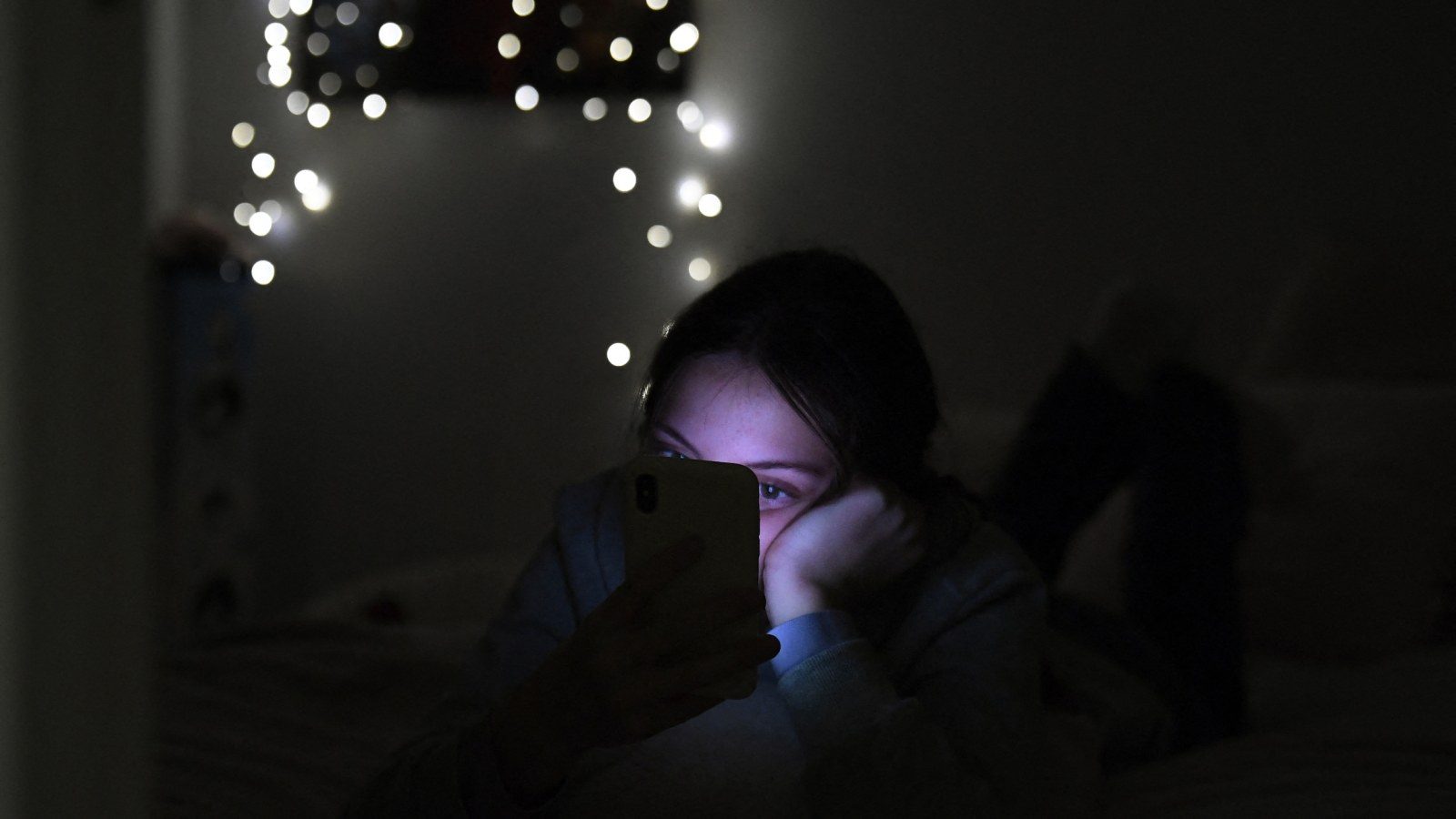
A new JAMA Pediatrics study tracking 425 U.S. teens found that on nights with heavier-than-usual phone use after 10 p.m., participants fell asleep about 65 minutes later and slept about 20 minutes less. Phone use in the final minutes before sleep was linked to more wake time after falling asleep, though the study shows association, not causation.

Showing 25 - 36 of 814 articles